

The EU is taking a DOGE-like axe to foreign aid [WPR] ↳
Far less publicized than the dismantling of USAID, Europe has been quietly making cuts of its own: EU member states slashed development budgets by an average of nearly 10% and EU institutions by 13.8%. World Politics Review reports these are the steepest cuts to European ODA in more than a decade.
Governance fragmentation and collapsing health in wartime Yemen [Lawfare] ↳
The U.S. slashed its humanitarian aid to Yemen by $107 million in 2025 after having funded half of the international response plan the year before, deepening the ongoing crisis. Writing for Lawfare, the authors argue that the funding collapse compounds a war economy in which rival Houthi and Internationally Recognized Government authorities run parallel health systems and treat aid as patronage.
A year after State layoffs, ex-feds say U.S. is paying the price in Iran and Ebola crises [GovExec] ↳
One year after the State Department layoffs, former officials say the loss of expertise is now visible in the U.S. response to the Central Africa Ebola outbreak and in faltering Iran war diplomacy, Government Executive reports. The State Department disputes that the reductions have hurt its operational capacity.
From Ebola to conflict: Risks rise and the US is less able to respond [The Hill] ↳
Four former directors of USAID's conflict management office write in The Hill that the DOGE-driven dismantling of USAID, the U.S. Institute for Peace, and the State Department's Bureau for Conflict and Stabilization Operations has left the U.S. without the peacebuilding and health response infrastructure needed for emergencies like the Ebola outbreak in eastern DRC.
Ebola outbreak containment hampered by USAID closure, experts say [CNBC] ↳
Aid agencies and infectious disease specialists tell CNBC that the Bundibugyo Ebola outbreak in the DRC and Uganda — now the third-largest on record, with more than 1,400 confirmed cases and 440 deaths — has been made significantly worse by the dismantling of USAID, which has depleted health systems of supplies, cold chain infrastructure, and staff while eroding community trust needed for contact tracing.
Response [sic] to Venezuela’s crisis proves that America can still help in substantial ways — even without USAID [New York Post] ↳
This New York Post opinion piece argues that critics blaming the Trump administration's dismantling of USAID for a bungled response to Venezuela's devastating earthquakes are wrong, contending that the State Department has capably absorbed the humanitarian disaster response role USAID once led.
Venezuelan earthquakes test Trump's new western hemisphere policy after gutting of USAID [The Guardian] ↳
With USAID dismantled and disaster response folded into a downsized State Department, the Trump administration is scrambling to mount a "whole-of-government" earthquake response in Venezuela, in what former officials call the first major test of America's restructured, transactional aid apparatus.
US relief effort scrambles without USAID after deadly Venezuela earthquakes [Newsweek] ↳
As Venezuela reels from twin earthquakes that have killed at least 164 people, Newsweek reports that Washington's disaster response is being improvised across scattered agencies rather than coordinated through USAID.
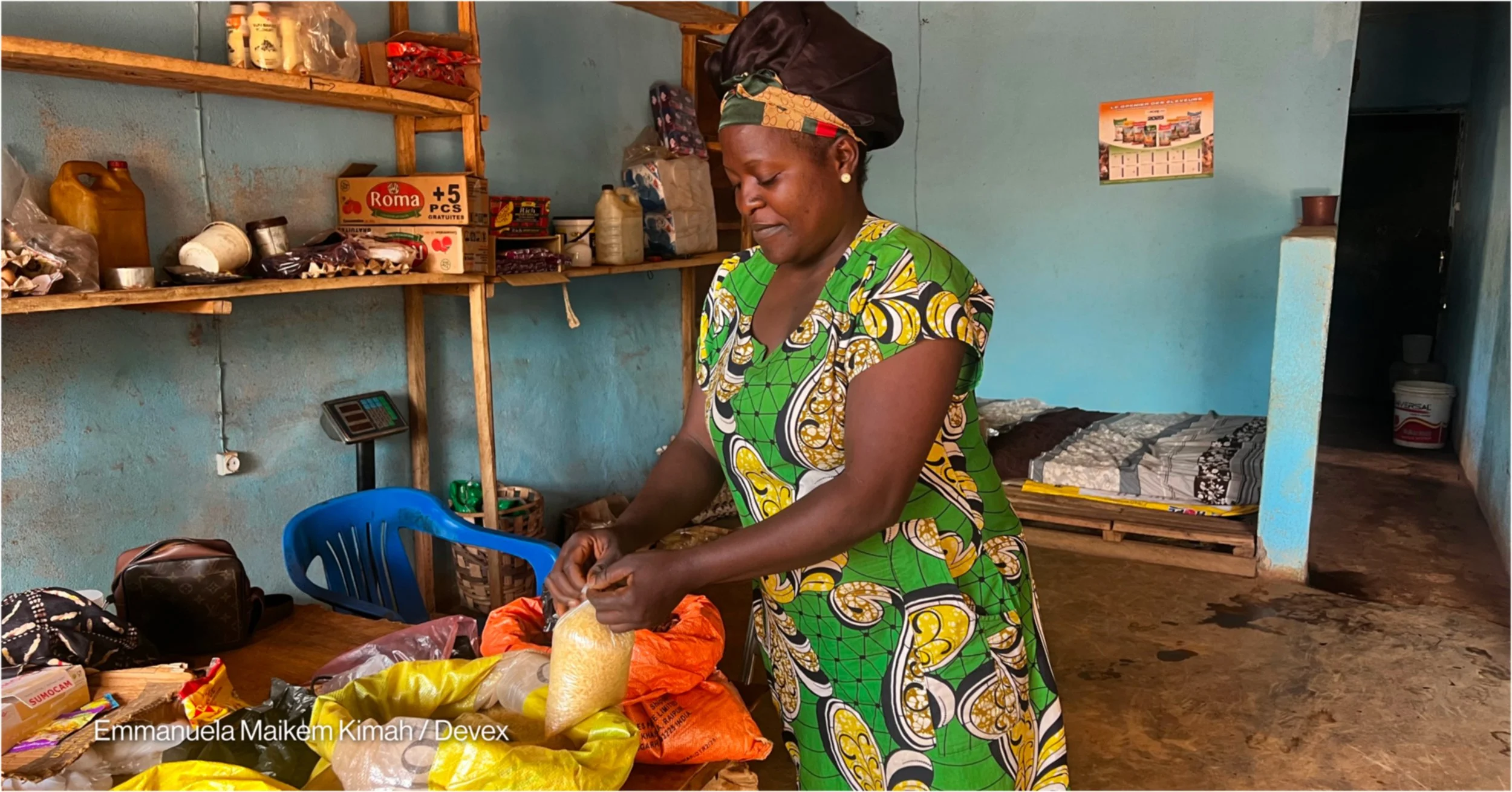
In Cameroon, aid cuts deepen hardship as armed groups seek new recruits
Families have lost food assistance, small businesses have lost customers, and residents say economic opportunities are disappearing in communities already strained by a decade of conflict.
Photo credit: Emmanuela Maikem Kimah / Devex
Sudan crisis worsens as civil war enters 4th year and Hormuz closure disrupts aid [PBS] ↳
Aid groups report that the world's largest humanitarian crisis has been compounded by the closure of the Strait of Hormuz, which has spiked fuel and fertilizer prices and choked the flow of food and assistance, even as Secretary of State Marco Rubio concedes Washington's response remains limited to identifying aid distribution points, PBS reports.
The counterterrorism challenge in Afghanistan's borderlands [Lawfare] ↳
Lawfare argues that the Trump administration's termination of nearly all of its $1.8 billion in aid to Afghanistan—along with the shuttering of U.S.-funded border reception centers and the elimination of the State Department office overseeing the region—has left some 2.9 million returnees facing extreme poverty and social isolation while erasing early-warning systems along the Pakistan border.
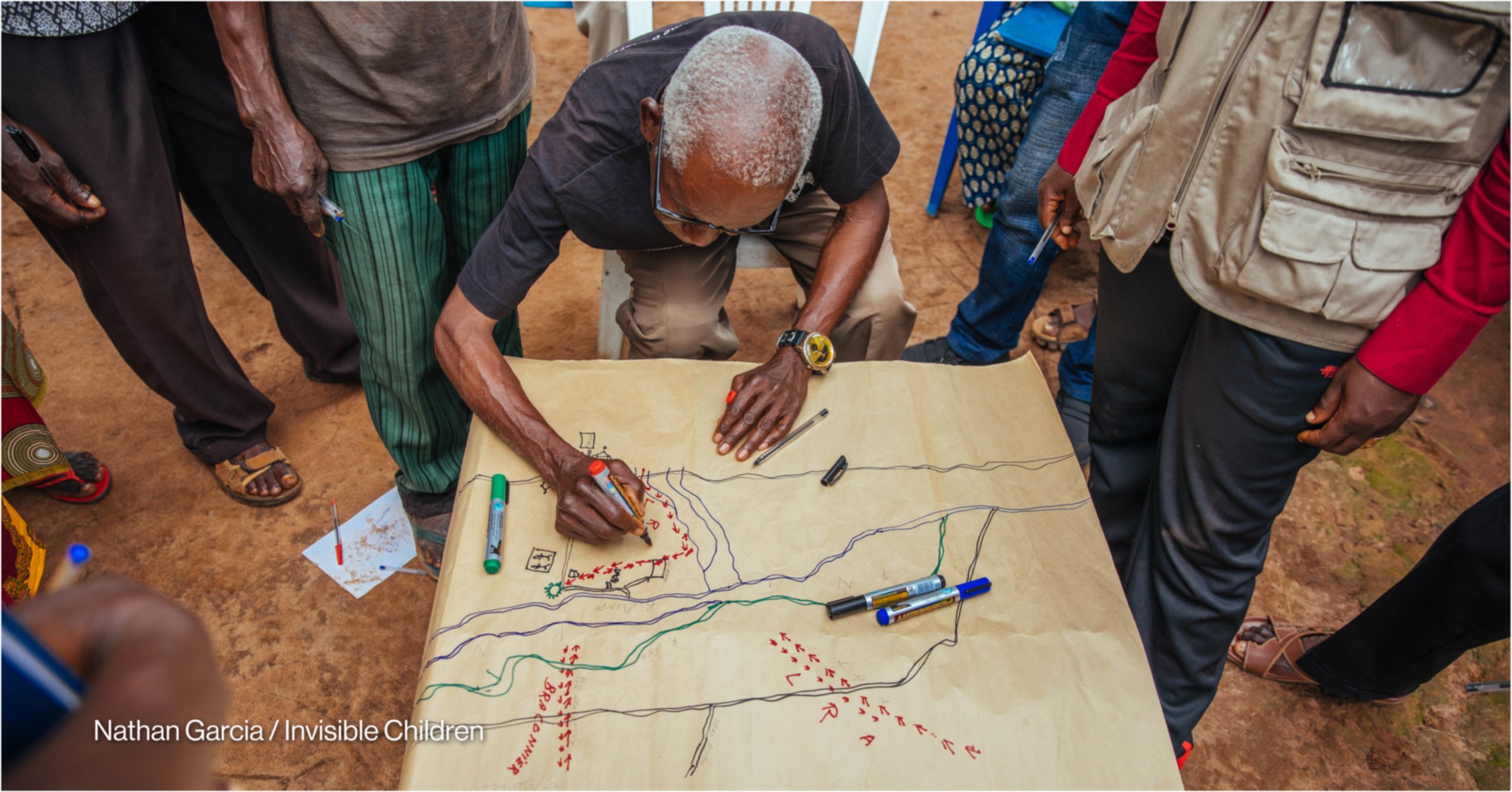
A US-funded atrocity prevention system is going dark
As aid cuts bite, local peacebuilders warn that remote communities in Central Africa are becoming harder to reach — and harder to protect.
Photo credit: Nathan Garcia / Invisible Children
House passes Ukraine security aid bill over objections of GOP leaders [WaPo]↳
In a bipartisan rebuke of the Trump administration's approach to foreign assistance, the House passed an $8 billion Ukraine security aid package with 18 Republicans breaking from party leadership to support military loans, reconstruction funding, and new sanctions targeting Russia's energy and financial sectors, The Washington Post reports.
How Trump's Ukraine aid cuts undermine justice for Russian war crimes [Reuters] ↳
The Trump administration defunded war crimes accountability programs in Ukraine, leaving investigators understaffed, evidence archives suspended, and prosecutors without support, Reuters reports.
Caribbean food security, one year after the collapse of USAID [Forbes] ↳
One year after Trump dismantled USAID, the Caribbean is still grappling with the collapse of agricultural programs that helped smallholder farmers, built climate resilience, and strengthened food security across a region where 42% of the population is food insecure. Forbes reports that closed programs significantly reduced community resilience when Hurricane Melissa struck in 2025.
The US Can Still Save Lives Despite Trump's Devastating Aid Cuts [Inkstick] ↳
Writing for Inkstick, Friends Committee on National Legislation’s Priya Moran argues as FY27 appropriations get underway Congress still has the opportunity to reverse course and reinvest in the life-saving, cost-effective foreign aid and peacebuilding programs that advance both American values and national security.
As Sudan war drags on, US-Iran conflict compounds humanitarian crisis in Darfur [Al-Monitor] ↳
Save the Children US President and CEO Janti Soeripto tells Al-Monitor that the loss of roughly 80–85% of the organization's USAID-funded programs has left her organization serving only three of the 18 most underserved localities in northern Darfur.
Yemen war sees scramble for scant resources between displaced and locals [Al Jazeera] ↳
Al Jazeera reports after nearly 12 years of conflict and severe funding cuts, humanitarian support at Yemen's IDP camps has been reduced to a trickle, leaving displaced families and host communities alike struggling to survive on fewer than two meals a day — a crisis deepened by U.S. aid reductions.
How immigration crackdowns and aid cuts are reshaping migration across Central America [Migration Policy Institute] ↳
Intensified U.S. immigration enforcement and the contraction of humanitarian aid are transforming the region from a corridor of northward transit into one of prolonged displacement and weakened government capacity to respond, according to the Migration Policy Institute.
Catastrophe is emerging in the world's most vulnerable places [NYT] ↳
The humanitarian relief system, decimated by the dismantling of USAID, now faces a compounding crisis as the closure of the Strait of Hormuz doubles the price of food and fuel, leaving the World Food Programme able to reach only a fraction of the nearly 2 million people a month it was serving in early 2025, according to The New York Times.