

News & Analysis
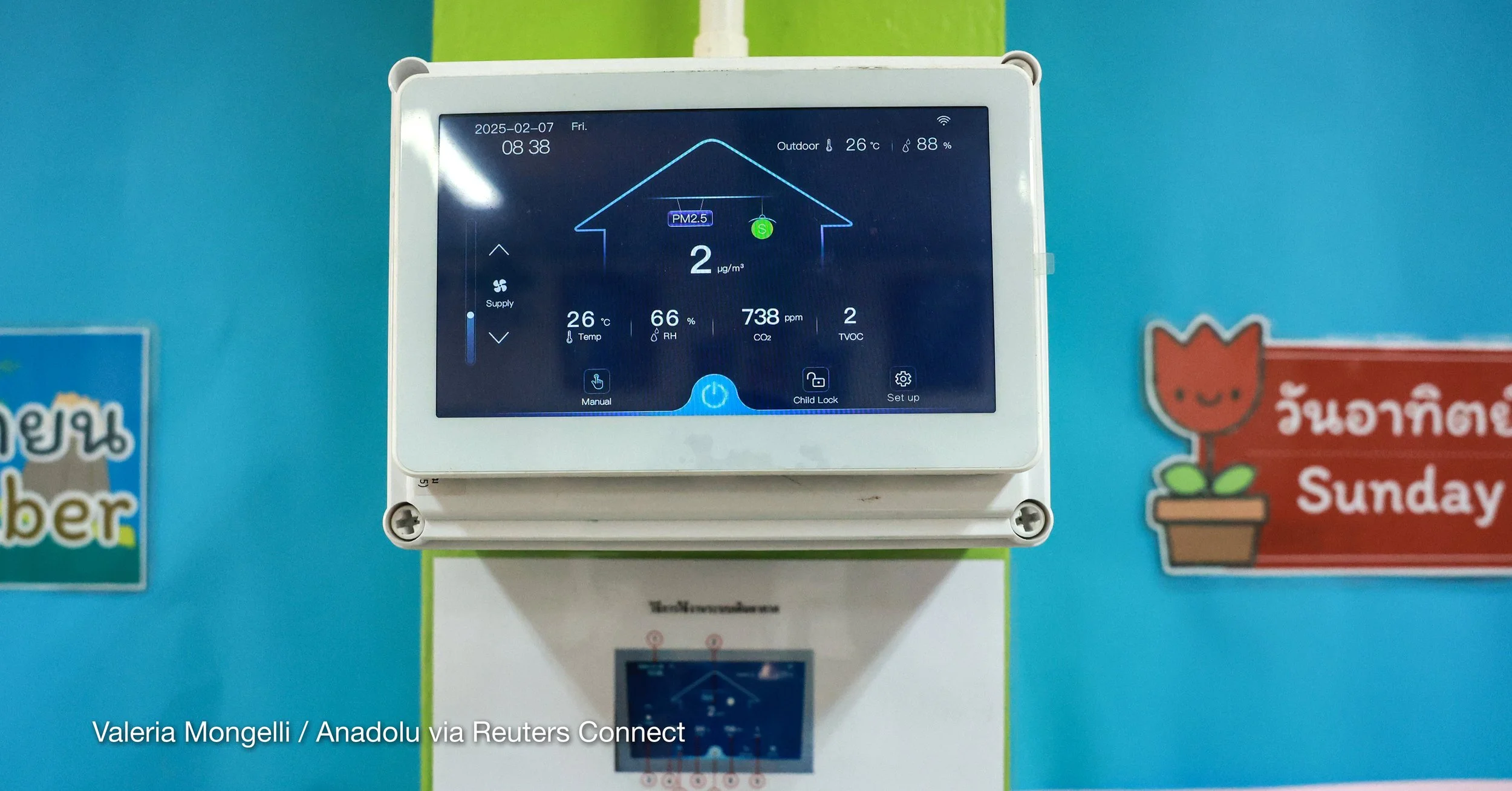
The U.S. has stopped publicly sharing air quality data collected at embassies around the world, leaving many countries without trusted pollution measurements.
Photo credit: Valeria Mongelli / Anadolu via Reuters Connect
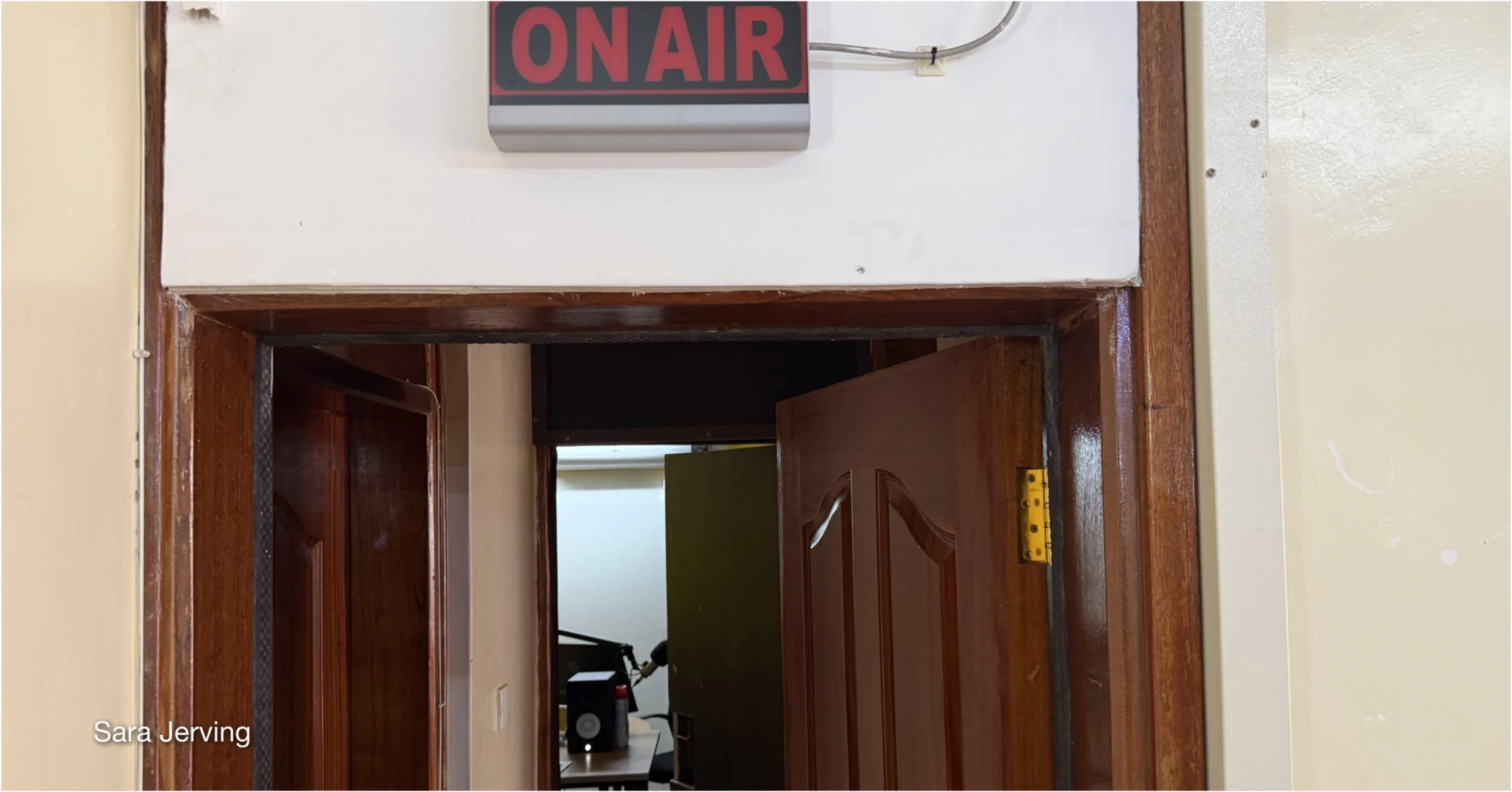
Radio Tamazuj ran a radio program focused on the war in Sudan until the program was terminated by the Trump administration.
Photo credit: Sara Jerving
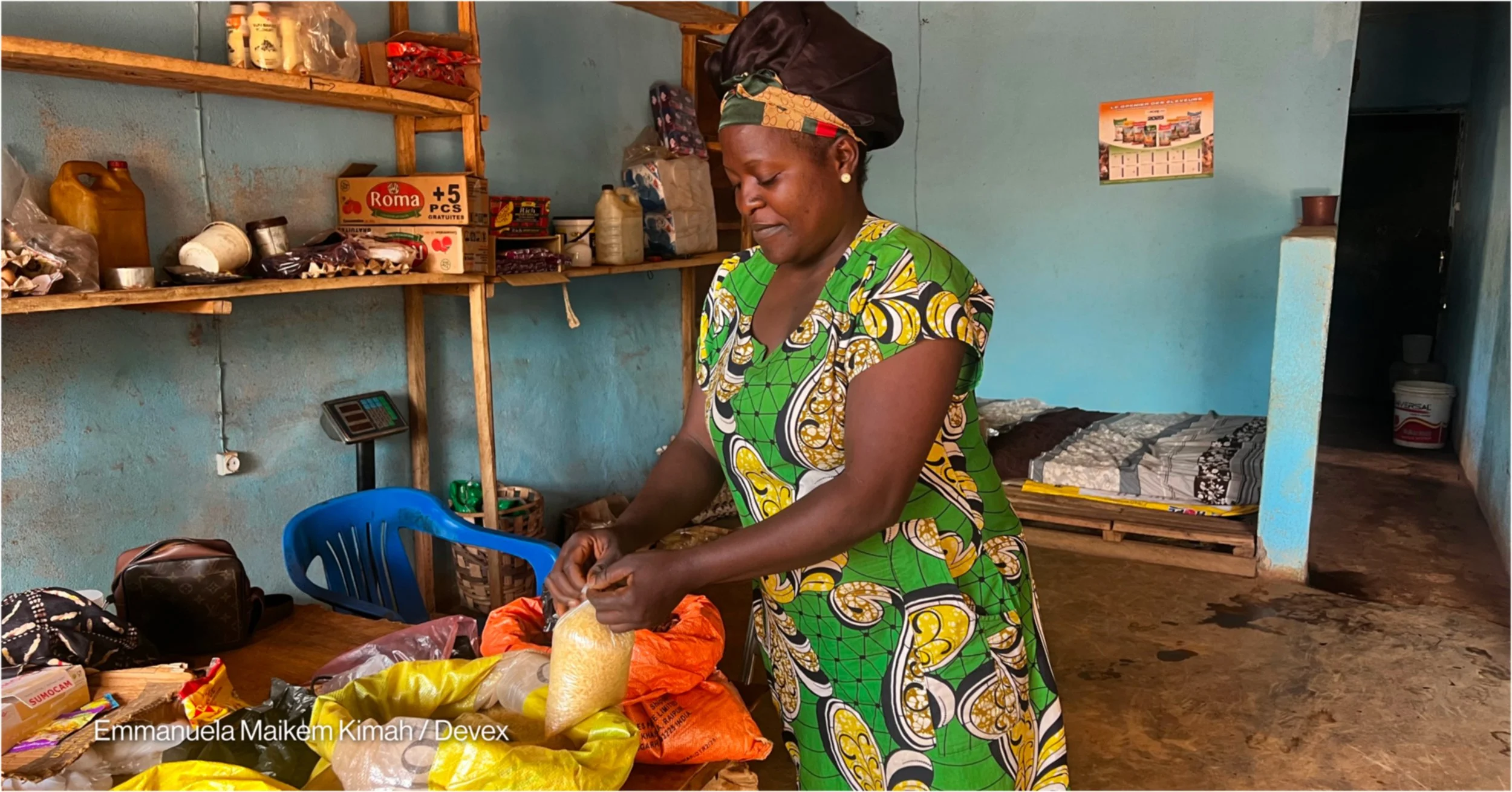
Families have lost food assistance, small businesses have lost customers, and residents say economic opportunities are disappearing in communities already strained by a decade of conflict.
Photo credit: Emmanuela Maikem Kimah / Devex
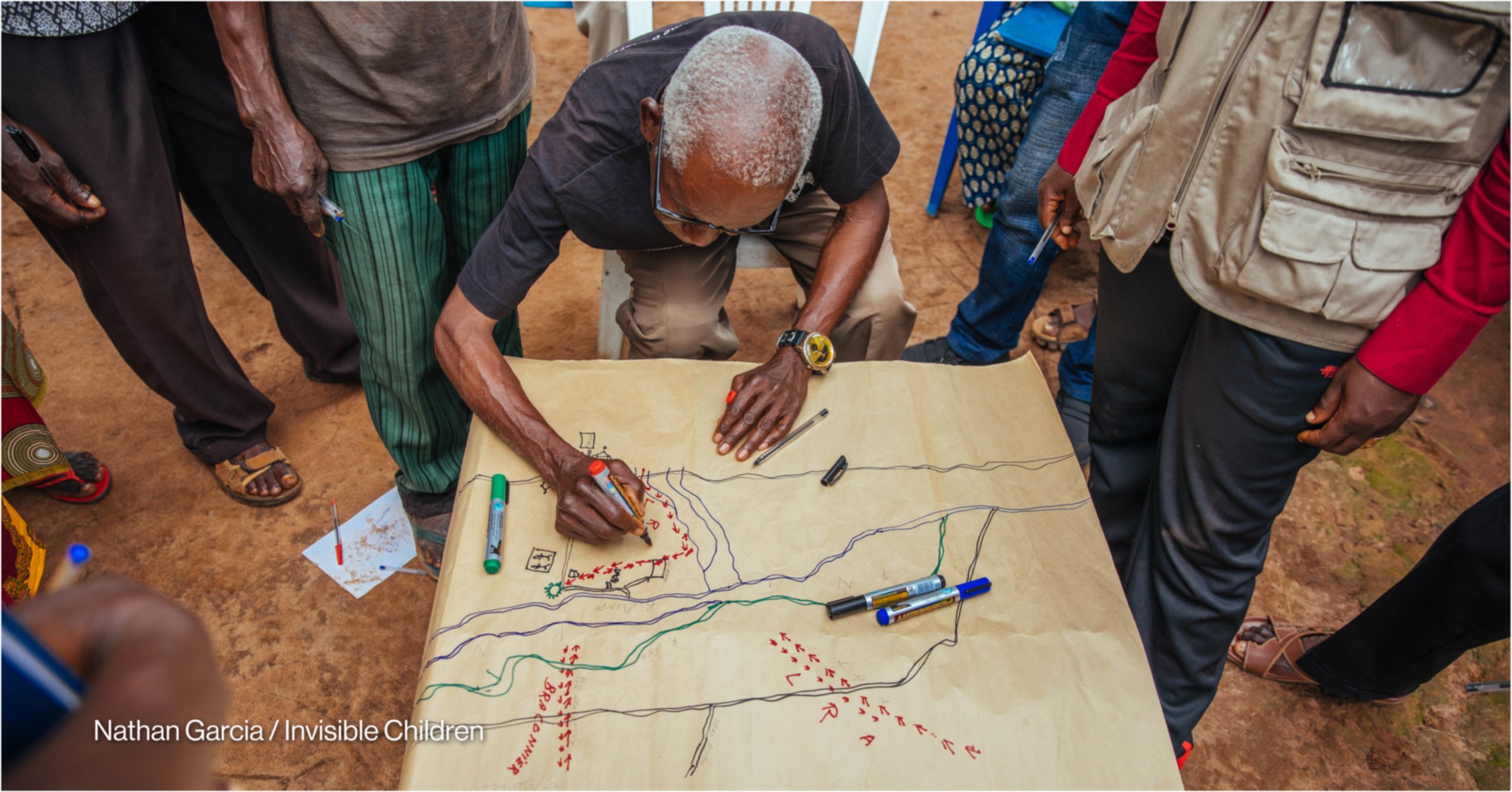
As aid cuts bite, local peacebuilders warn that remote communities in Central Africa are becoming harder to reach — and harder to protect.
Photo credit: Nathan Garcia / Invisible Children
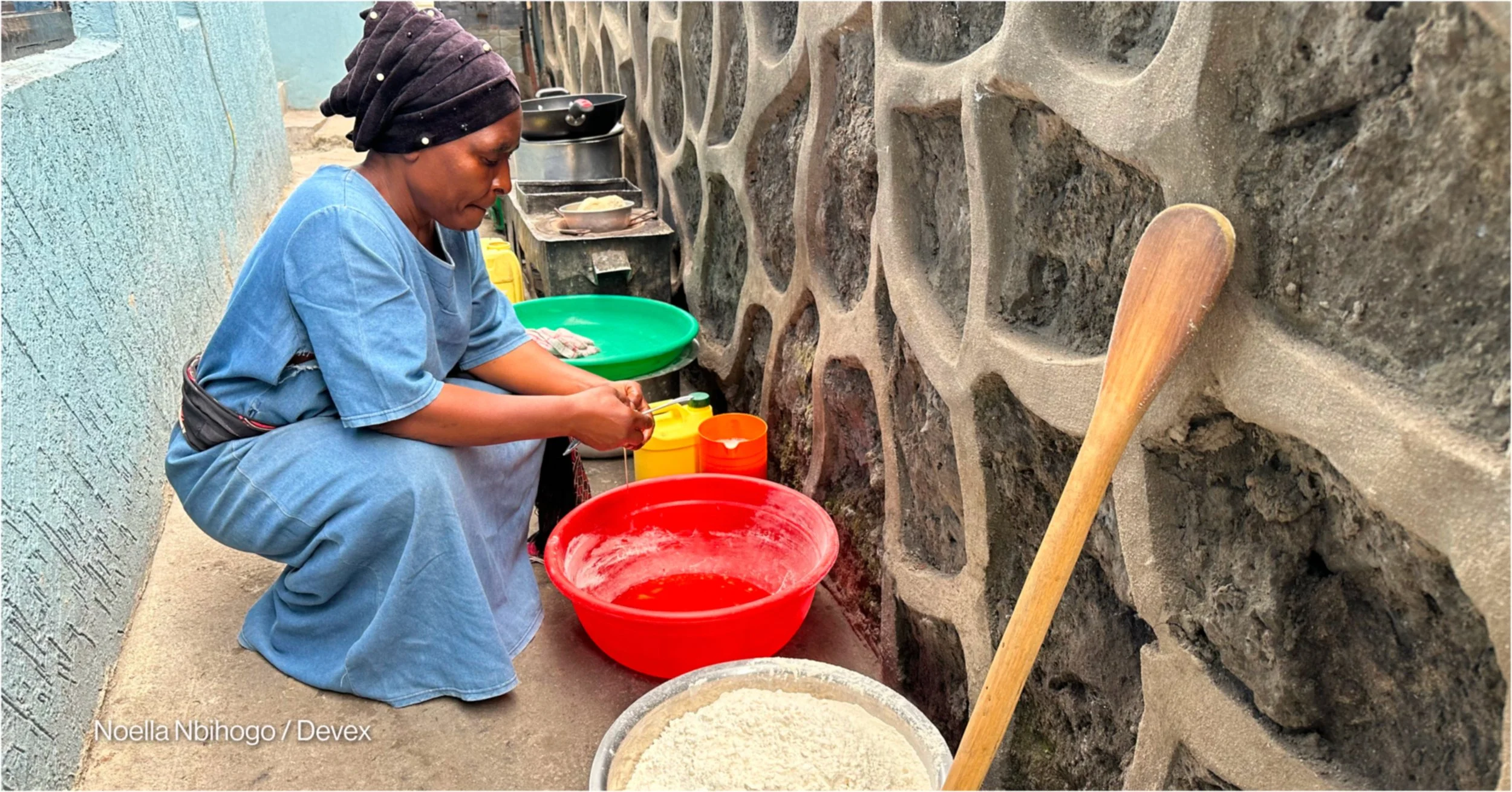
In eastern Congo, the effects of aid cuts extend far beyond NGOs. As programs close and international staff leave, families are losing income, apartments are sitting empty, and businesses are closing.
Photo Credit: Noella Nbihogo / Devex
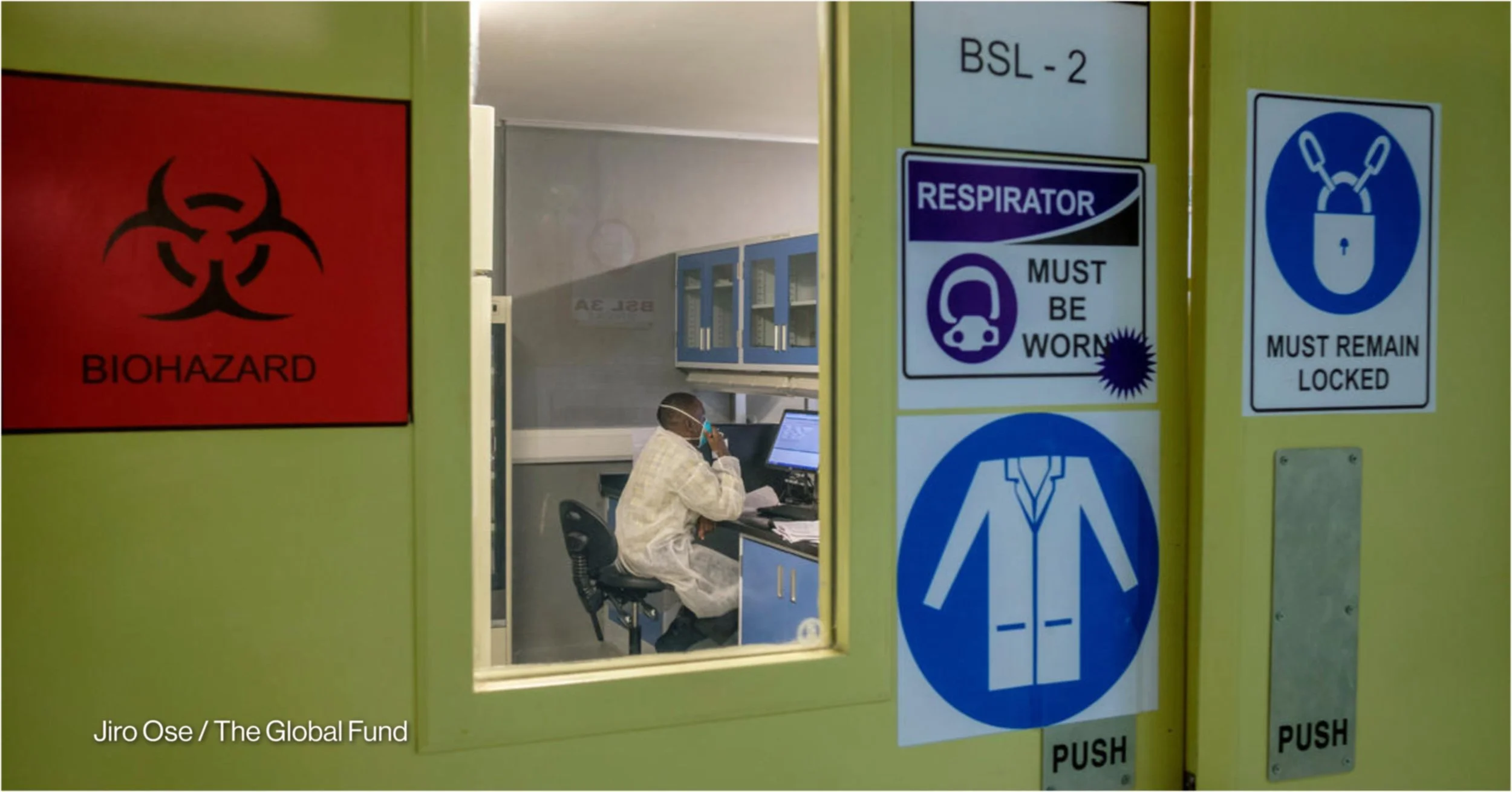
U.S. aid cuts are weakening the outreach systems that helped the country make major gains against tuberculosis, even as new AI-powered screening technologies expand access to diagnosis.
Photo credit: Jiro Ose / The Global Fund
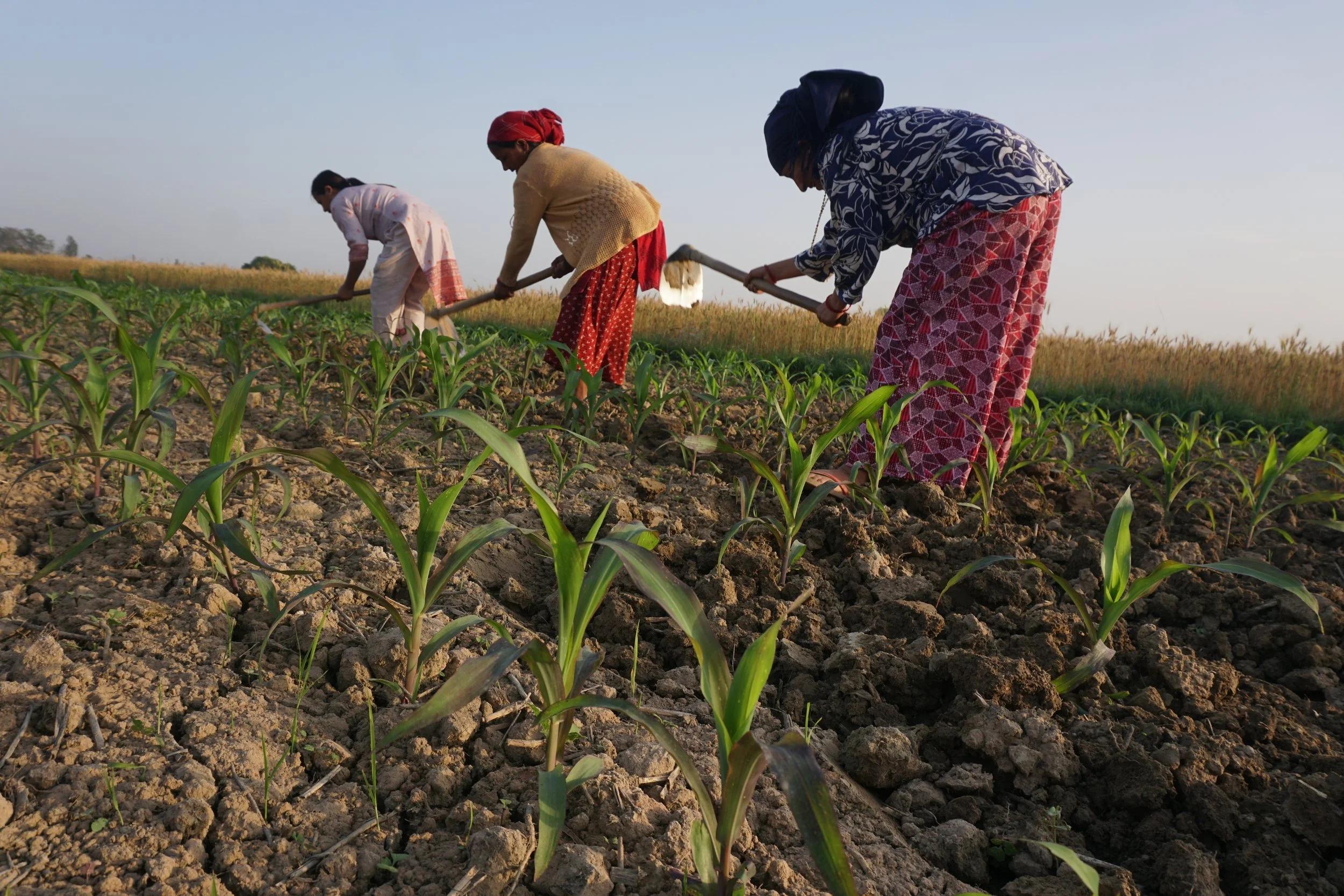
In rural Nepal, women farmers once supported by Feed the Future now navigate farming without reliable seeds, markets, or guidance. For some, leaving the land is becoming the only option.
Photo Credit: Yam Kumari Kandel
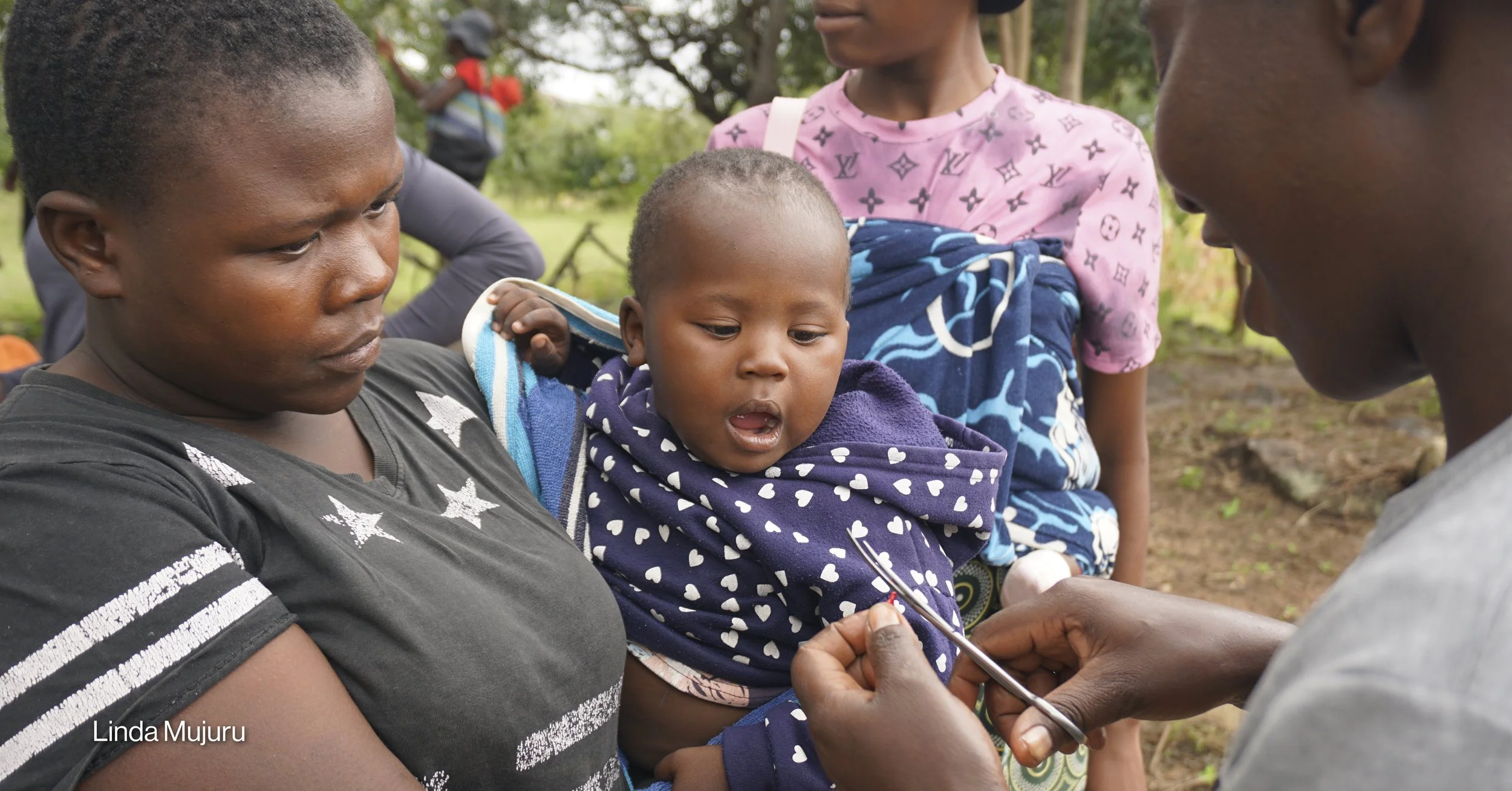
Deep U.S. foreign assistance cuts and the collapse of a $367 million health deal have disrupted the system sustaining Zimbabwe’s community health workforce.
Photo Credit: Linda Mujuru

Living in hiding and facing the threat of arrest or death — these are the realities of some Southeast Asian journalists after the U.S withdrew support for independent media.
Photo Credit: Bave Pictures / Pexels
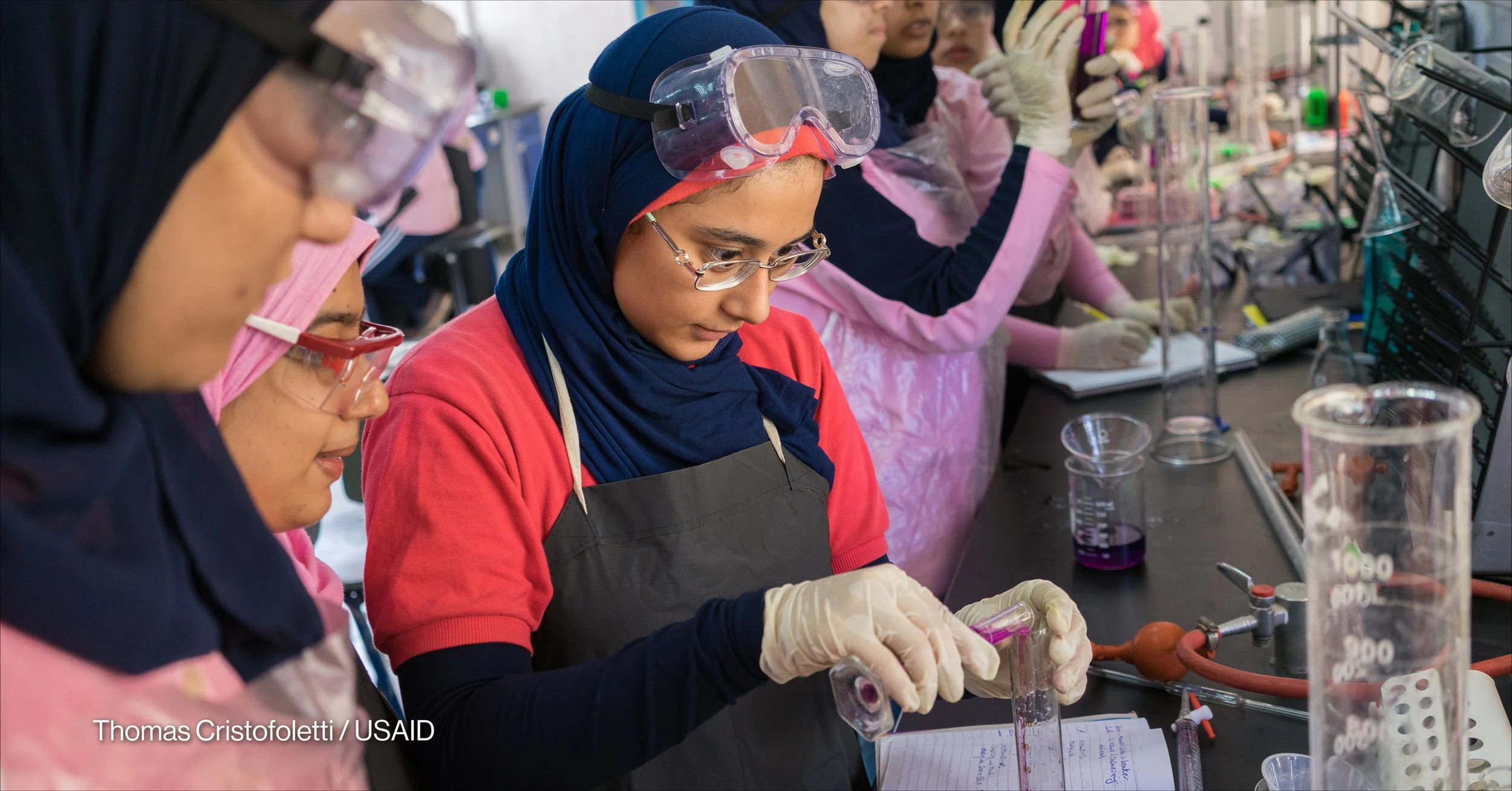
A network of STEM academies once held up as a model for modern education is unraveling after the abrupt withdrawal of U.S. support, exposing the fragility of reforms built on external expertise.
Photo Credit: Thomas Cristofoletti / USAID
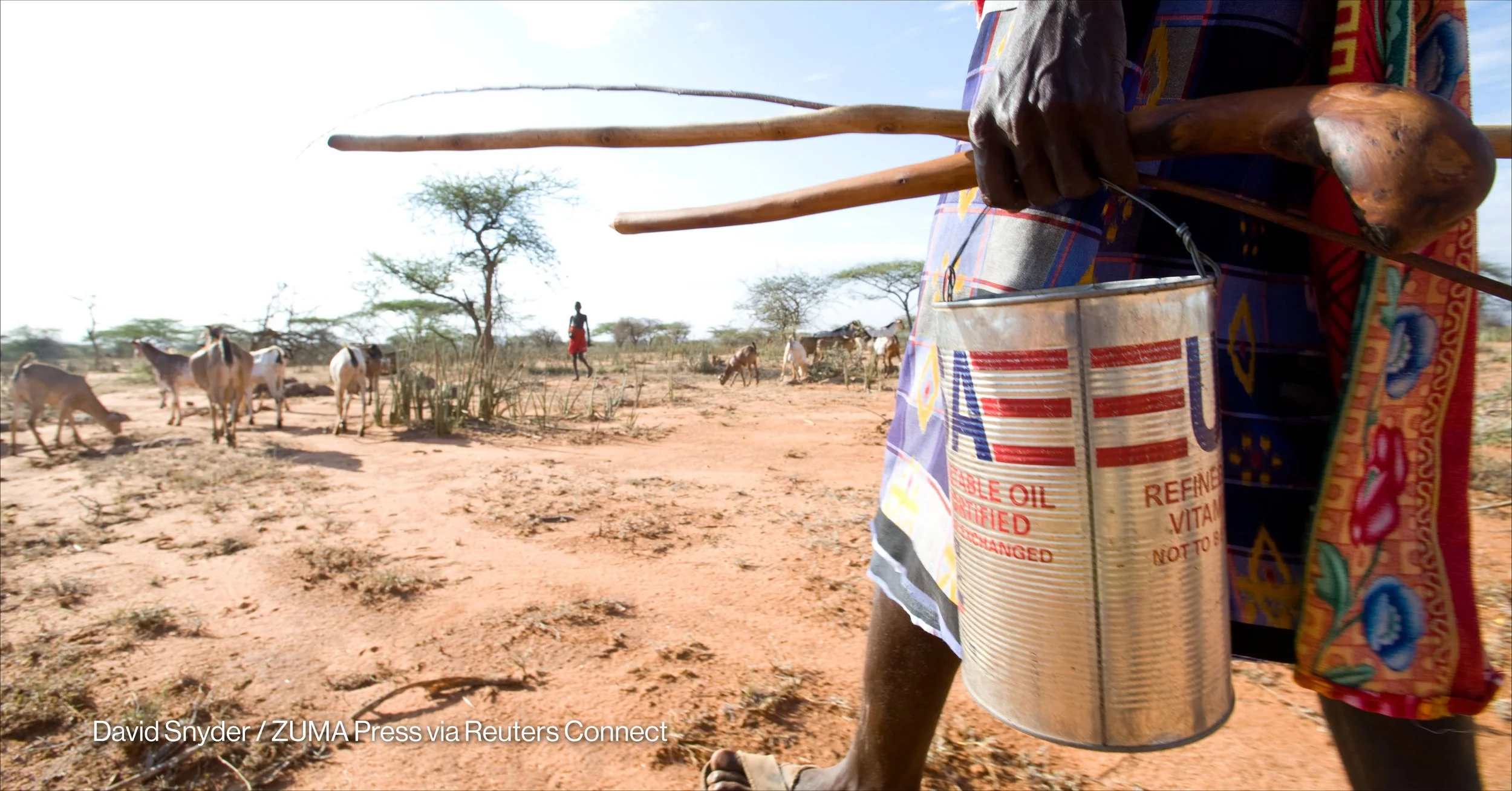
Drought, debt pressures, and shrinking U.S. aid are converging — exposing strain in Kenya’s pastoralist economies and public health system.
Photo Credit: David Snyder / ZUMA Press via Reuters Connect
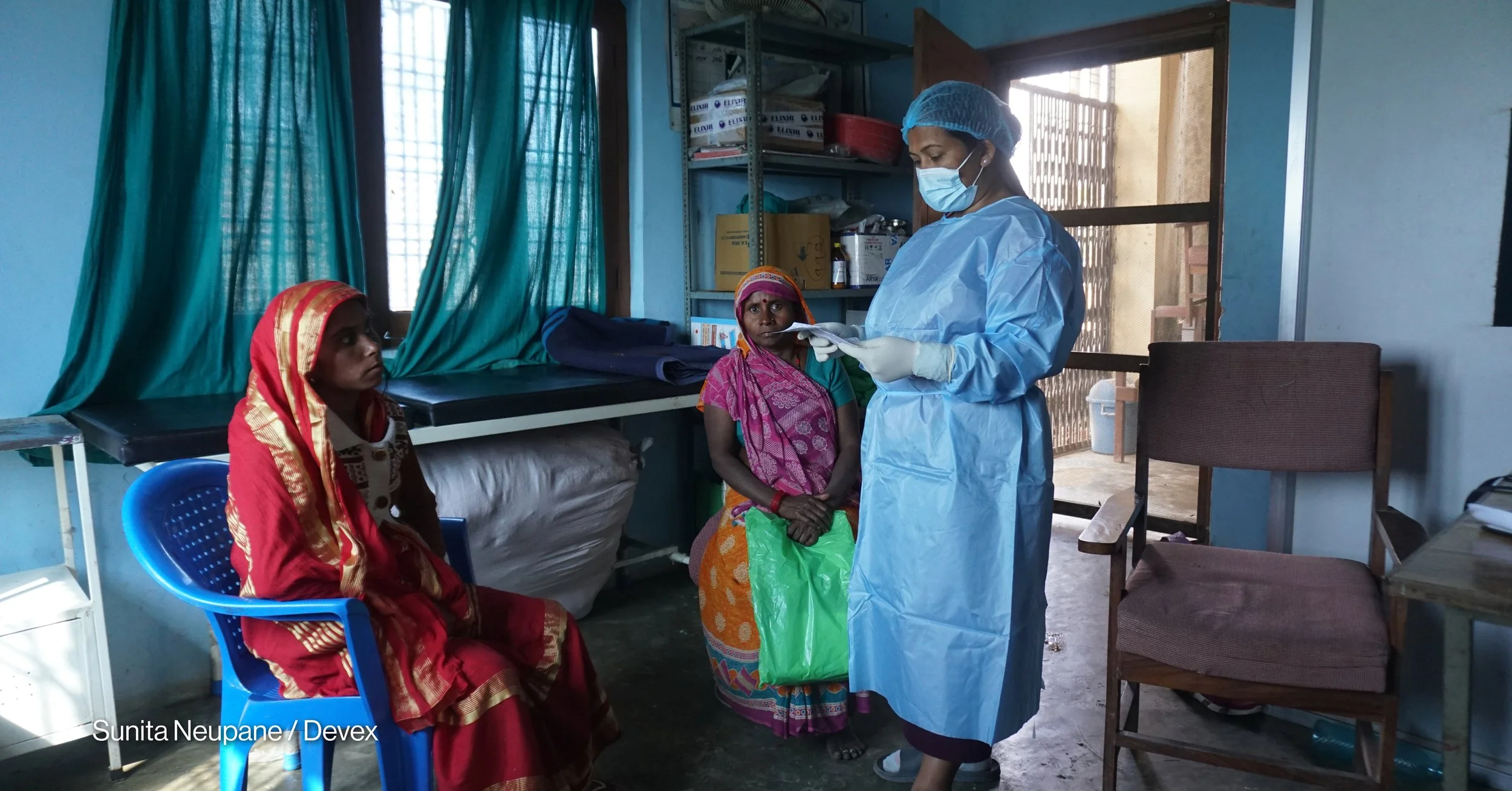
Pregnant Anita Yadav died after waiting for permission to seek medical care. U.S. aid cuts had already dismantled a nationwide program designed to “break gender norms that undervalued women’s lives.”
Photo Credit: Sunita Neupane / Devex
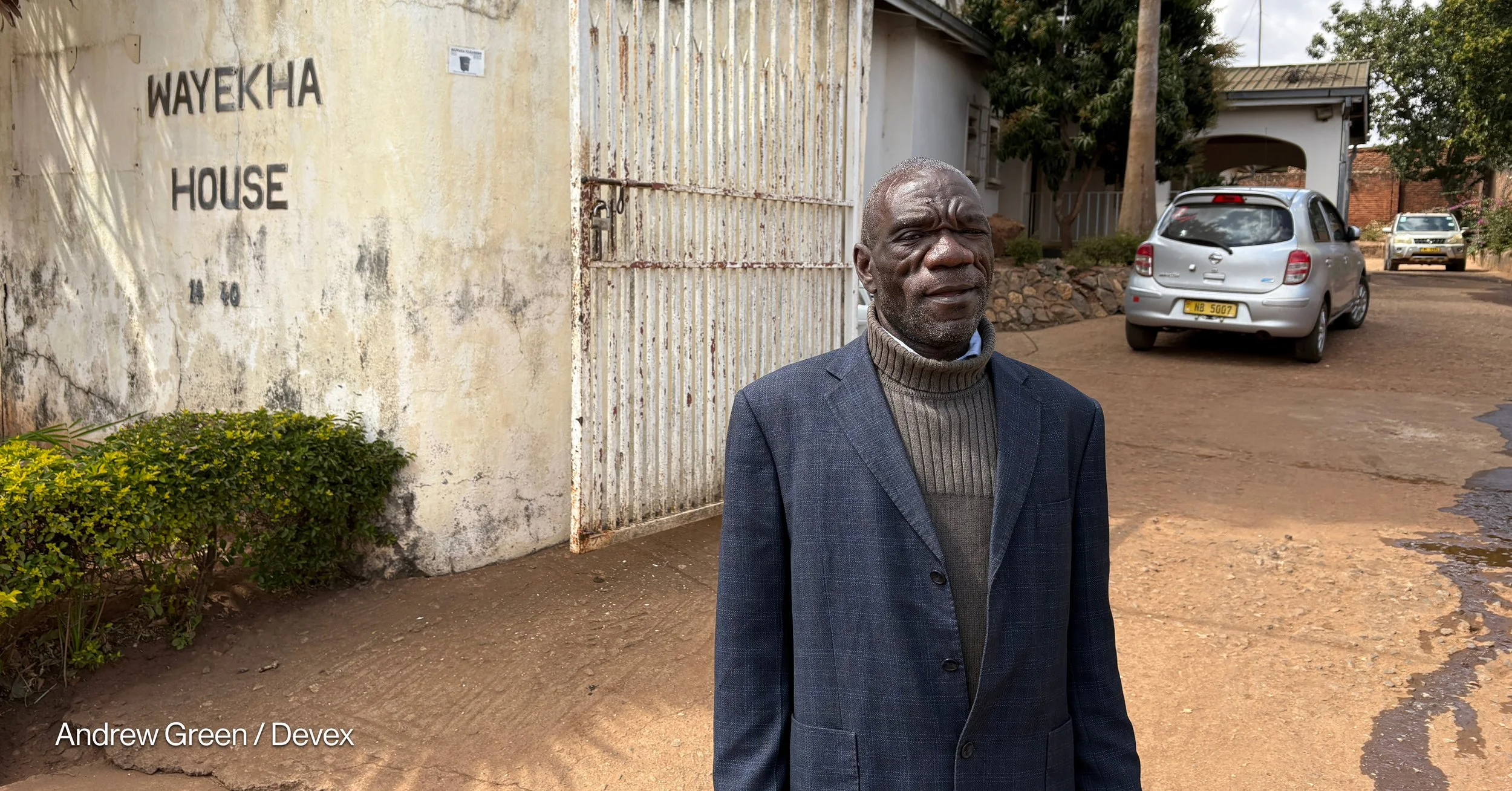
One year after President Donald Trump froze U.S. foreign aid, HIV treatment still exists across much of Africa — but the outreach, prevention, and monitoring systems that sustained it are fraying. The Aid Report traces how those losses are reshaping access to care across Uganda, Zambia, Malawi, and Botswana.
Photo by: Andrew Green / Devex
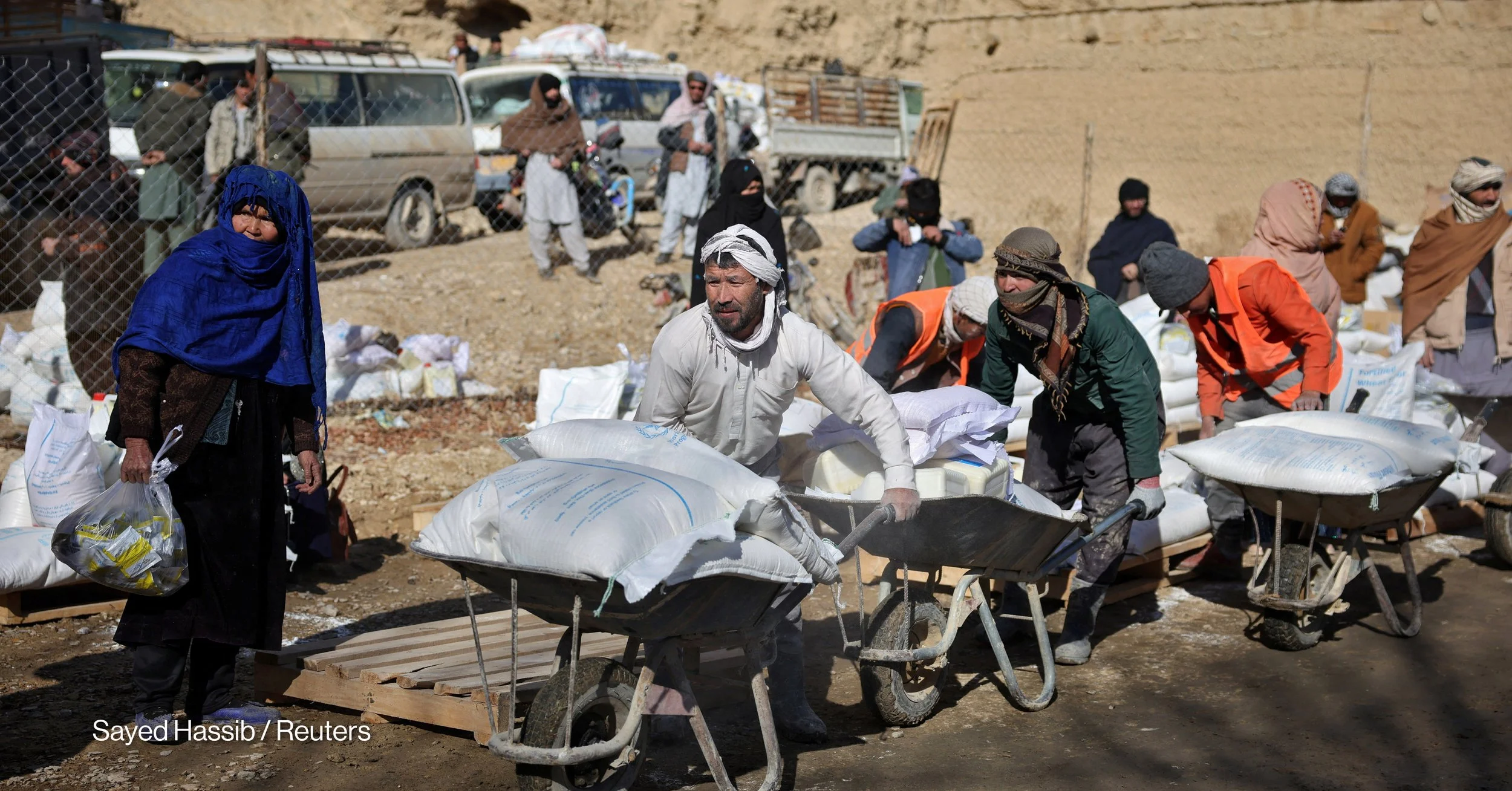
As the snow cuts off highland communities in Afghanistan, aid workers say many won’t be alive once it melts.
Photo Credit: Sayed Hassib / Reuters
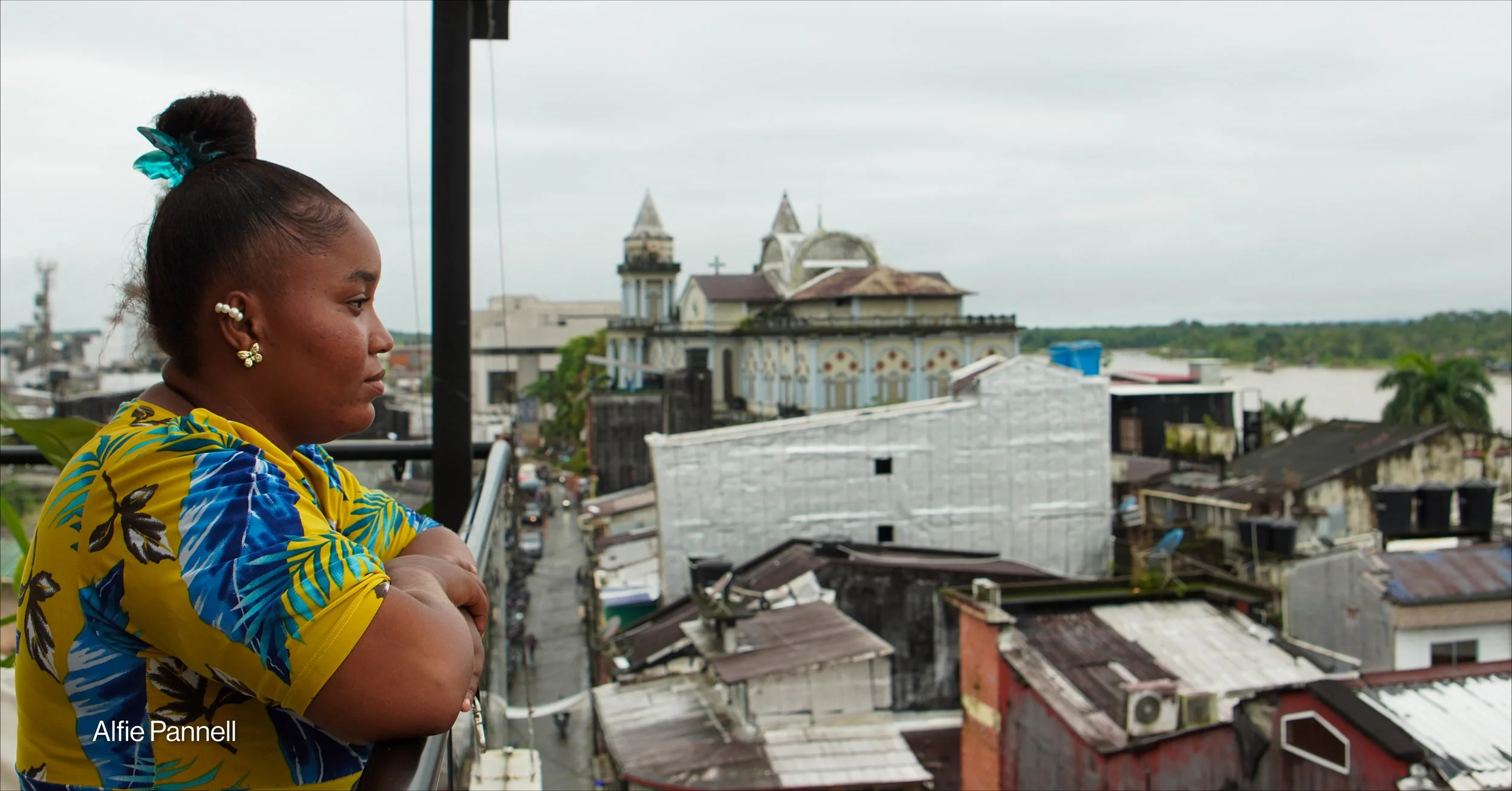
When U.S.-funded youth programs closed in Colombia’s Chocó province, they left behind a vacuum that gangs and armed groups were quick to exploit. Drawing on reporting from affected communities, The Aid Report traces the unraveling of years of prevention work.
Photo Credit: Alfie Pannell
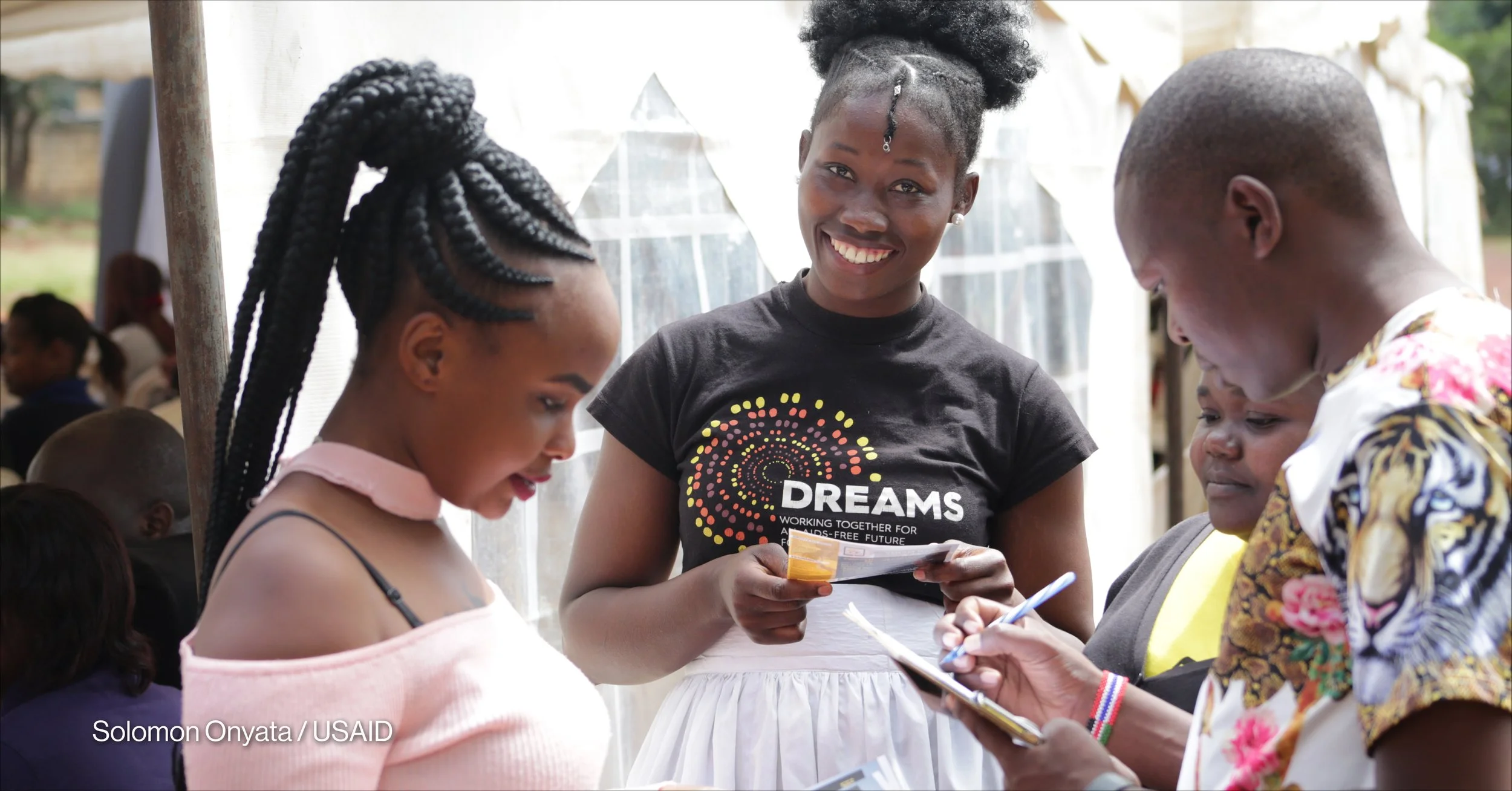
The end of the PEPFAR-funded DREAMS program cut off HIV-prevention support for millions of girls across sub-Saharan Africa. In Kenya, health experts warn the consequences are already visible.
Photo Credit: Solomon Onyata/USAID
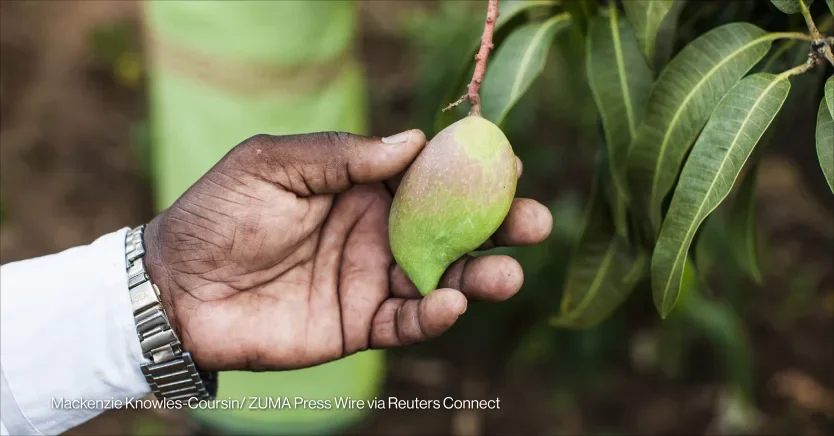
Responsible Innovations emerged as former USAID-backed researchers sought to preserve years of food systems research and global partnerships.
Photo Credit: Mackenzie Knowles-Coursin/ ZUMA Press Wire via Reuters Connect
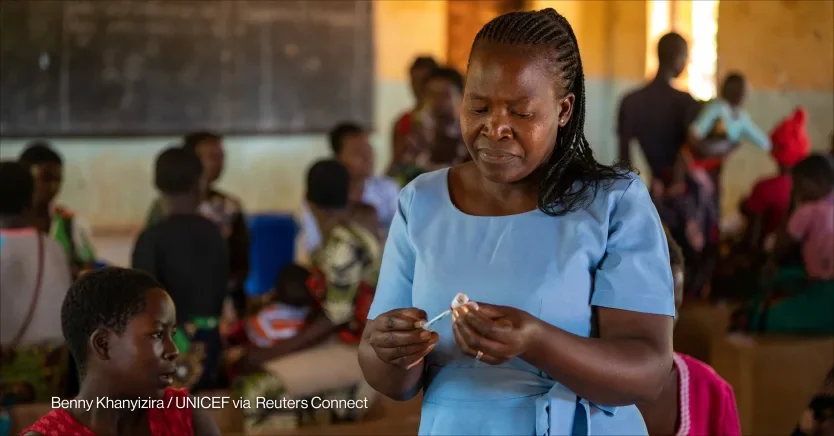
Malawi is scrambling to keep critical health, education, and development programs afloat after deep cuts to U.S. foreign aid exposed the country’s heavy reliance on donor funding.
Photo credit: Benny Khanyizira/UNICEF via Reuters Connect
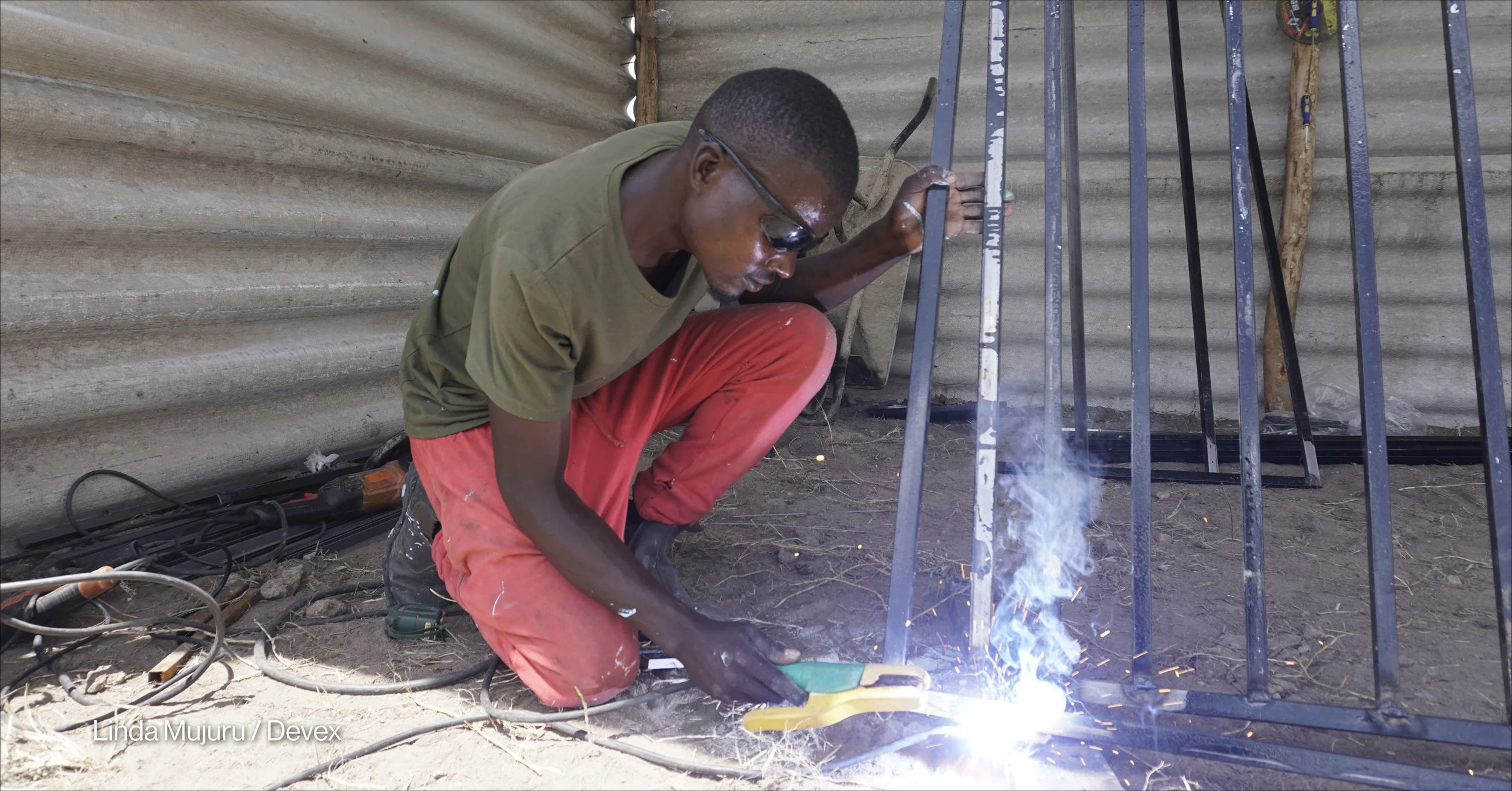
The sudden withdrawal of U.S. funding stalled youth employment programs, cut counseling services, and pushed community organizations into survival mode. For young people navigating unemployment, addiction recovery, and poverty, the consequences were immediate.
Photo Credit: Linda Mujuru/ Devex
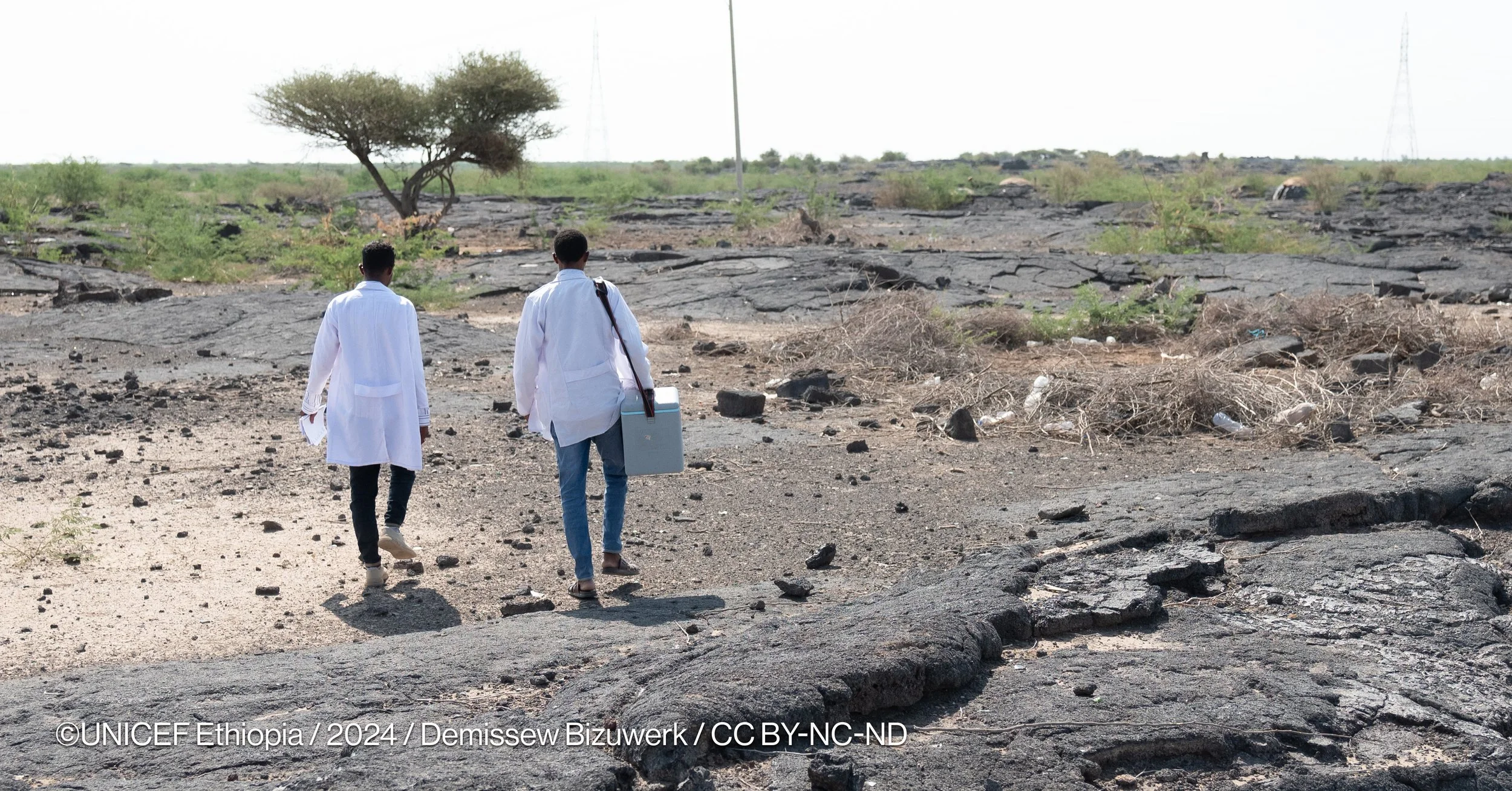
The fallout from the aid freeze is still rippling through Ethiopia’s humanitarian workforce, with many laid-off workers unemployed.
Photo Credit: ©UNICEF Ethiopia / 2024 / Demissew Bizuwerk / CC BY-NC-ND
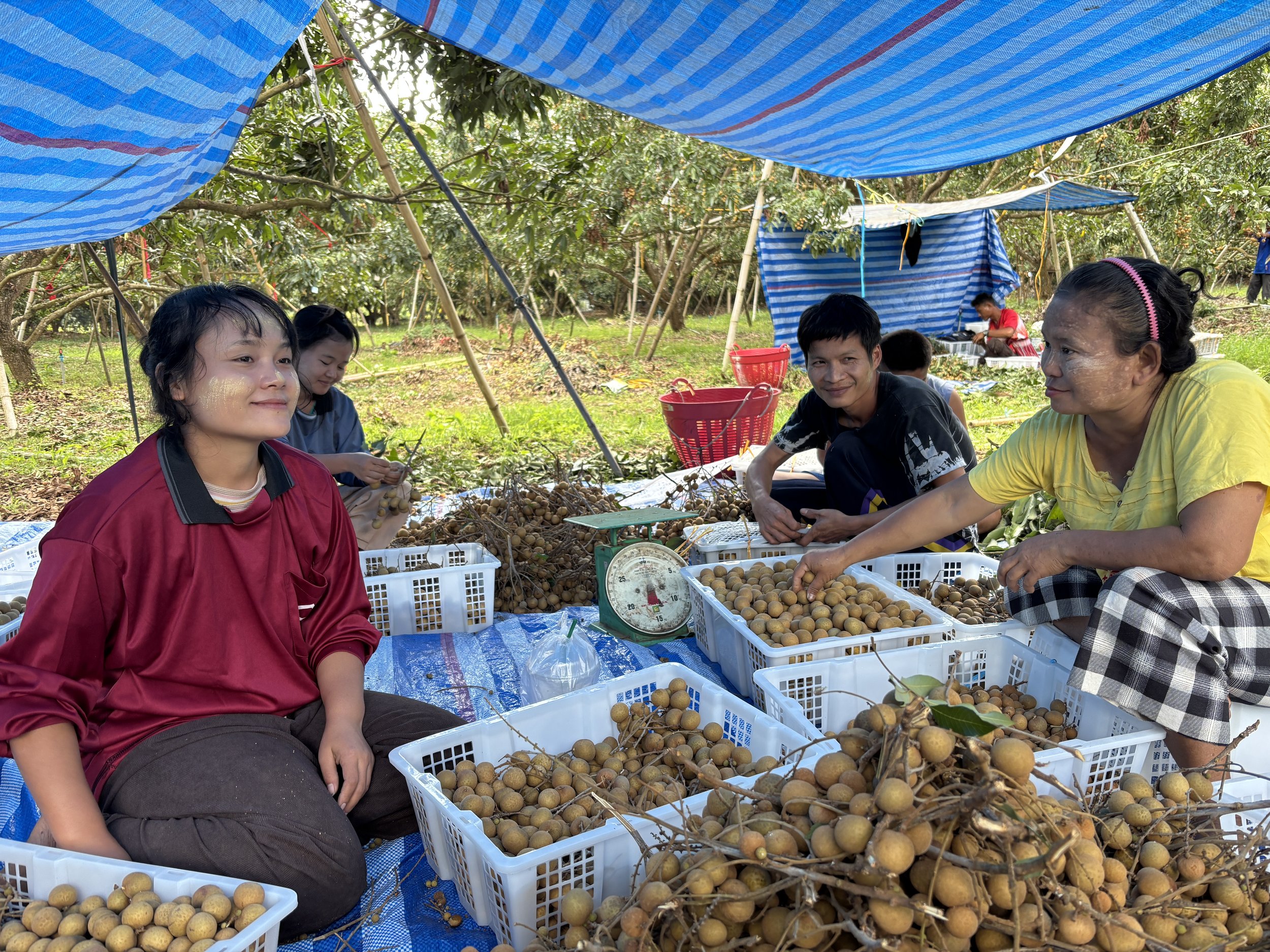
After decades of confinement to border camps, a small number of Burmese refugees are now working legally in Thailand. The Aid Report examines how U.S. aid cuts helped trigger the policy shift — and whether labor can supplement aid without exposing refugees to greater risk.
Photo Credit: Rebecca L. Root / Devex
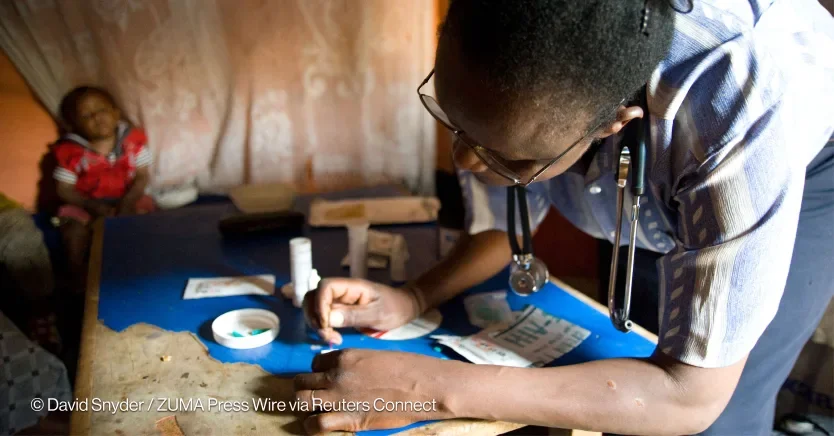
Nearly a year after the U.S. cut much of its health funding to Kenya, unpaid community health workers still underpin HIV and mental health care. A new U.S.-Kenya health deal has been signed, but its impact has yet to reach the front lines.
Photo Credit: © David Snyder / ZUMA Press Wire via Reuters Connect
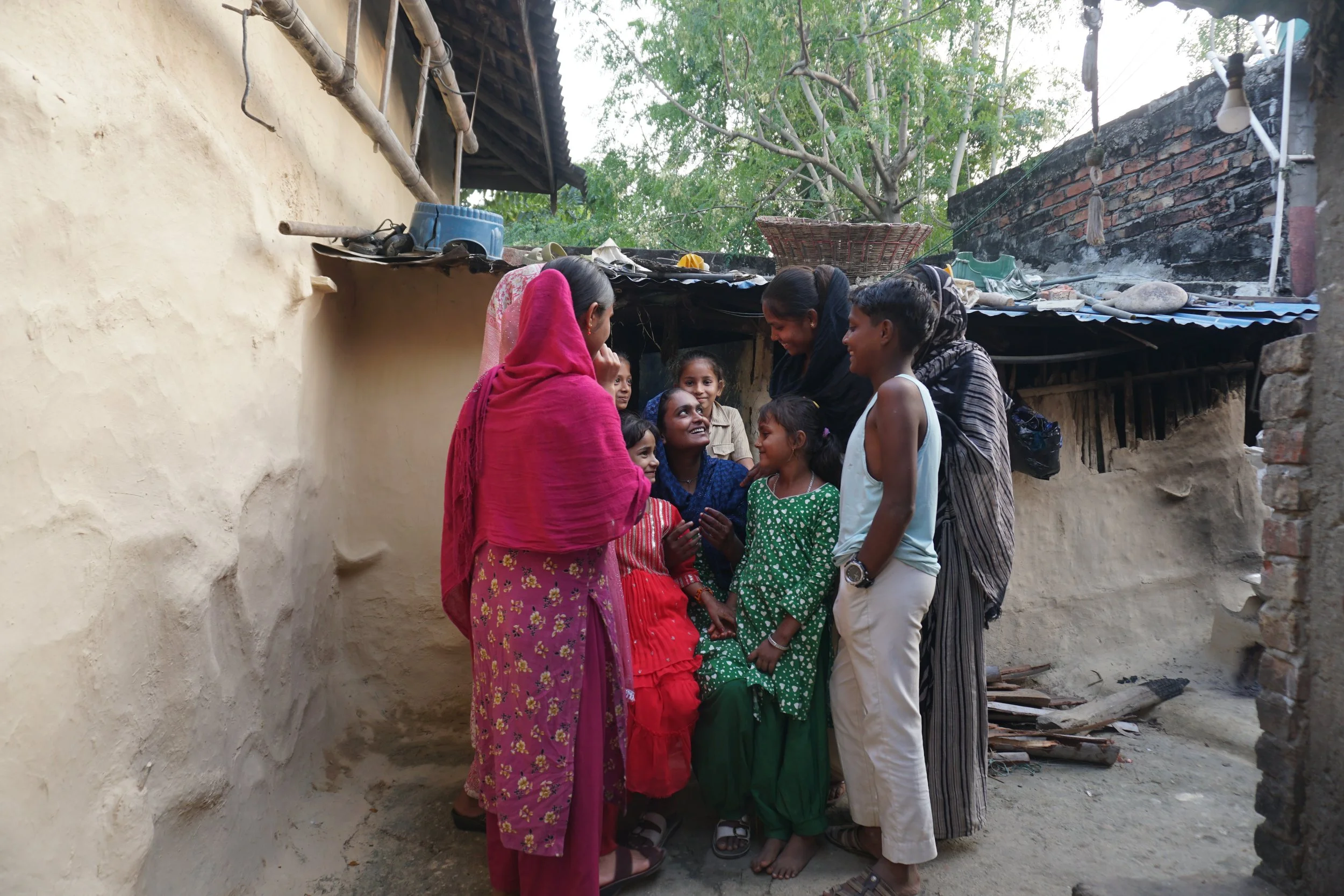
A short-lived U.S.-funded education program brought teachers to villages where girls had never been allowed to attend school. Its abrupt end has left many of those girls without a path back to learning — and under increased pressure to marry.
Photo Credit: Sunita Neupane / Devex
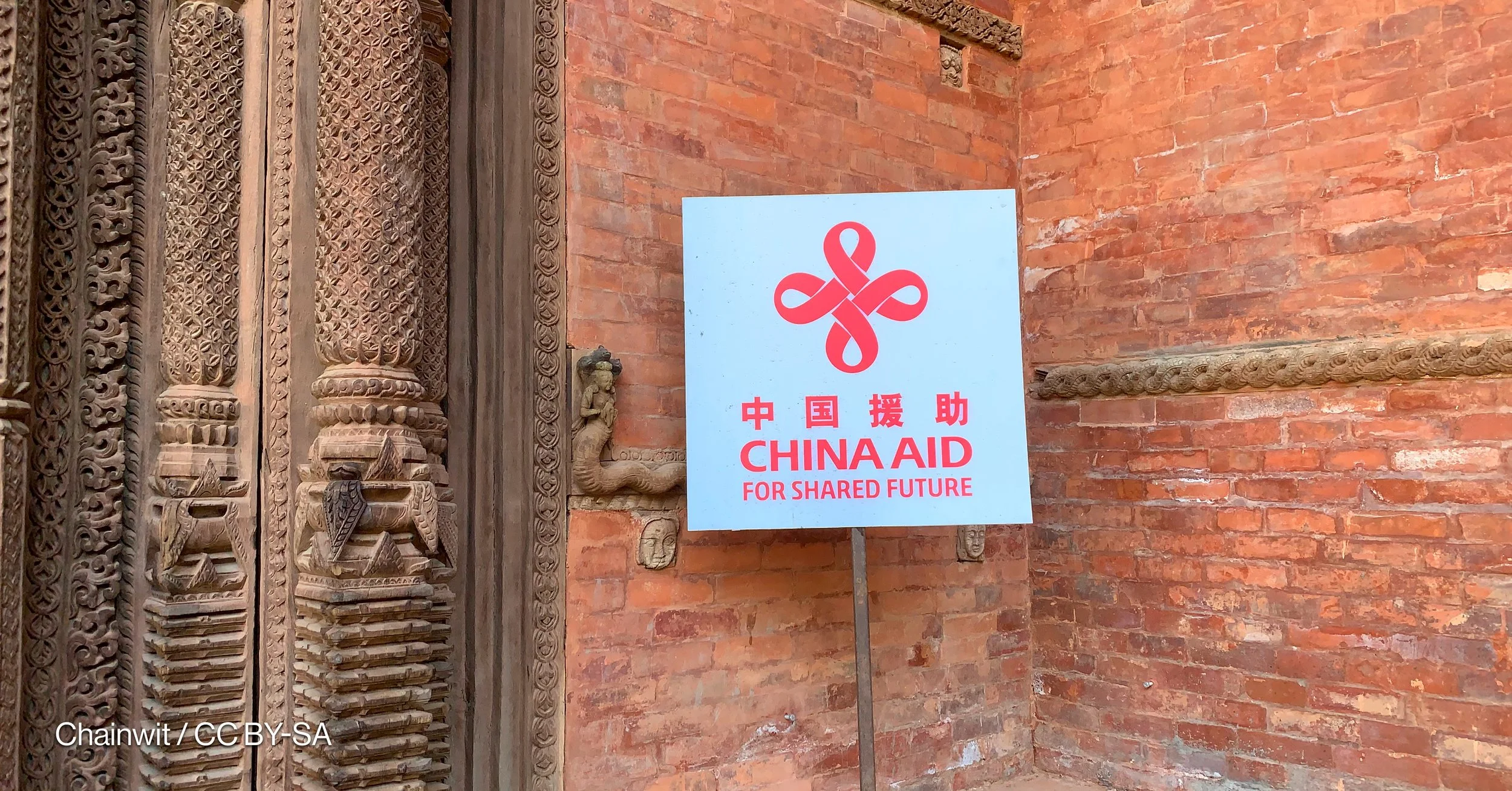
Despite expectations that Beijing would expand its influence after USAID’s withdrawal, China has shown little interest in taking over U.S.-funded programs, leaving a development divide across Southeast and South Asia.
Photo Credit: Chainwit / CC BY-SA
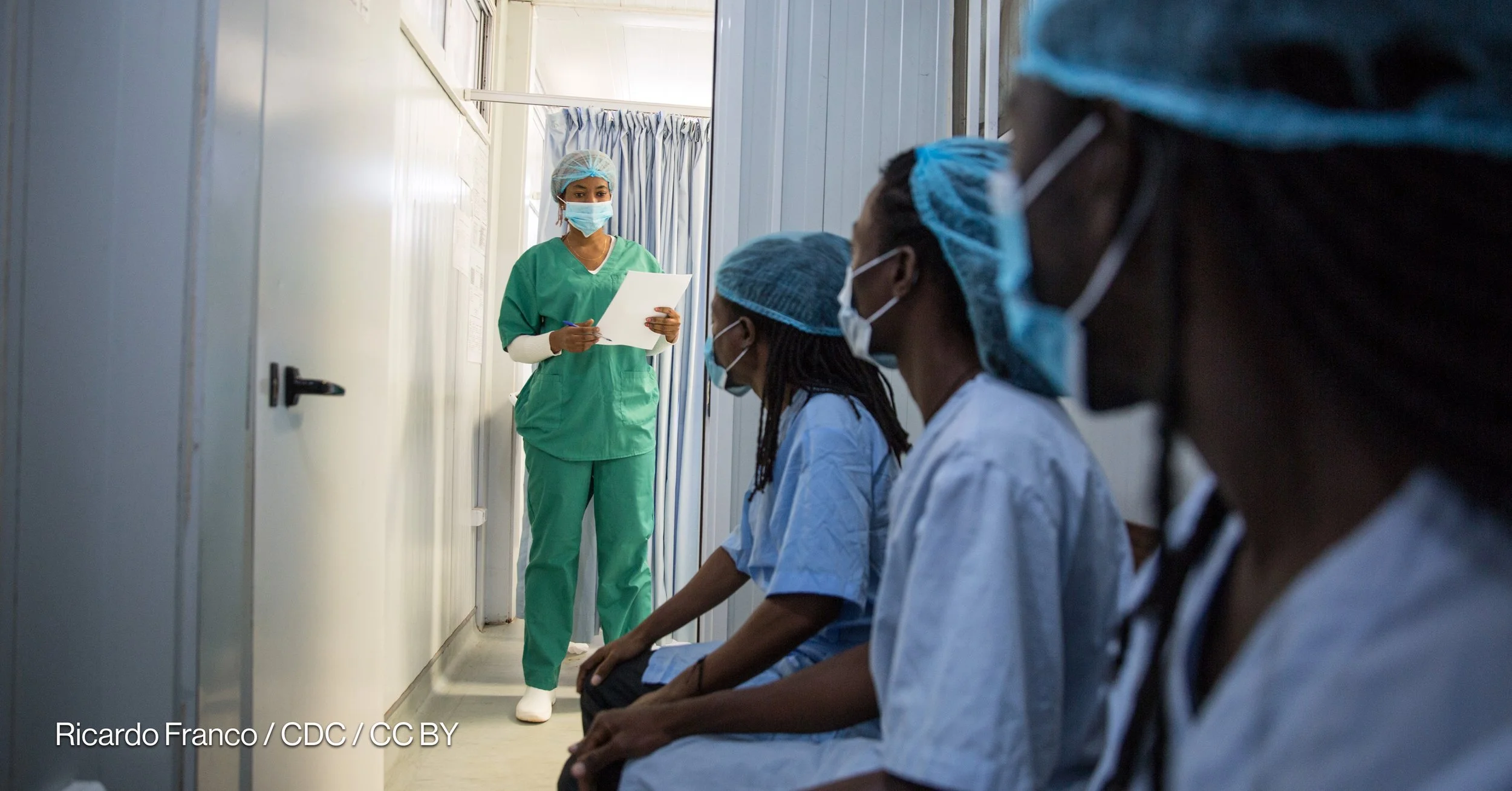
A simple, one-time procedure that sharply lowers HIV risk has long been a quiet success story in Botswana — until U.S. funding cuts halted the community outreach behind it.
Photo Credit: Ricardo Franco / CDC / CC BY
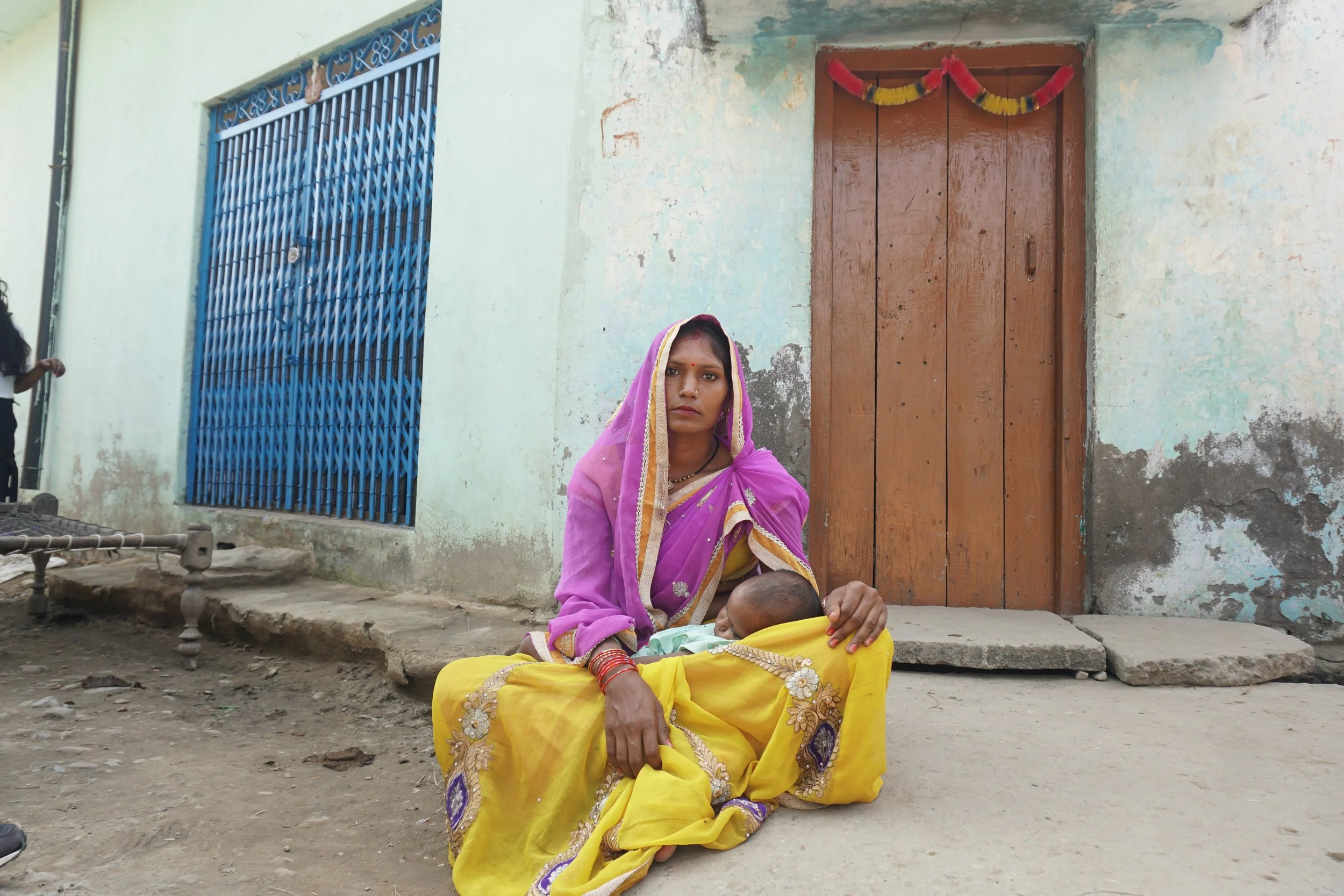
The USAID-backed nutrition system that once reached some of Nepal’s most vulnerable districts has collapsed, halting screening and straining health posts already short on staff and supplies.
Photo Credit: Sunita Neupane
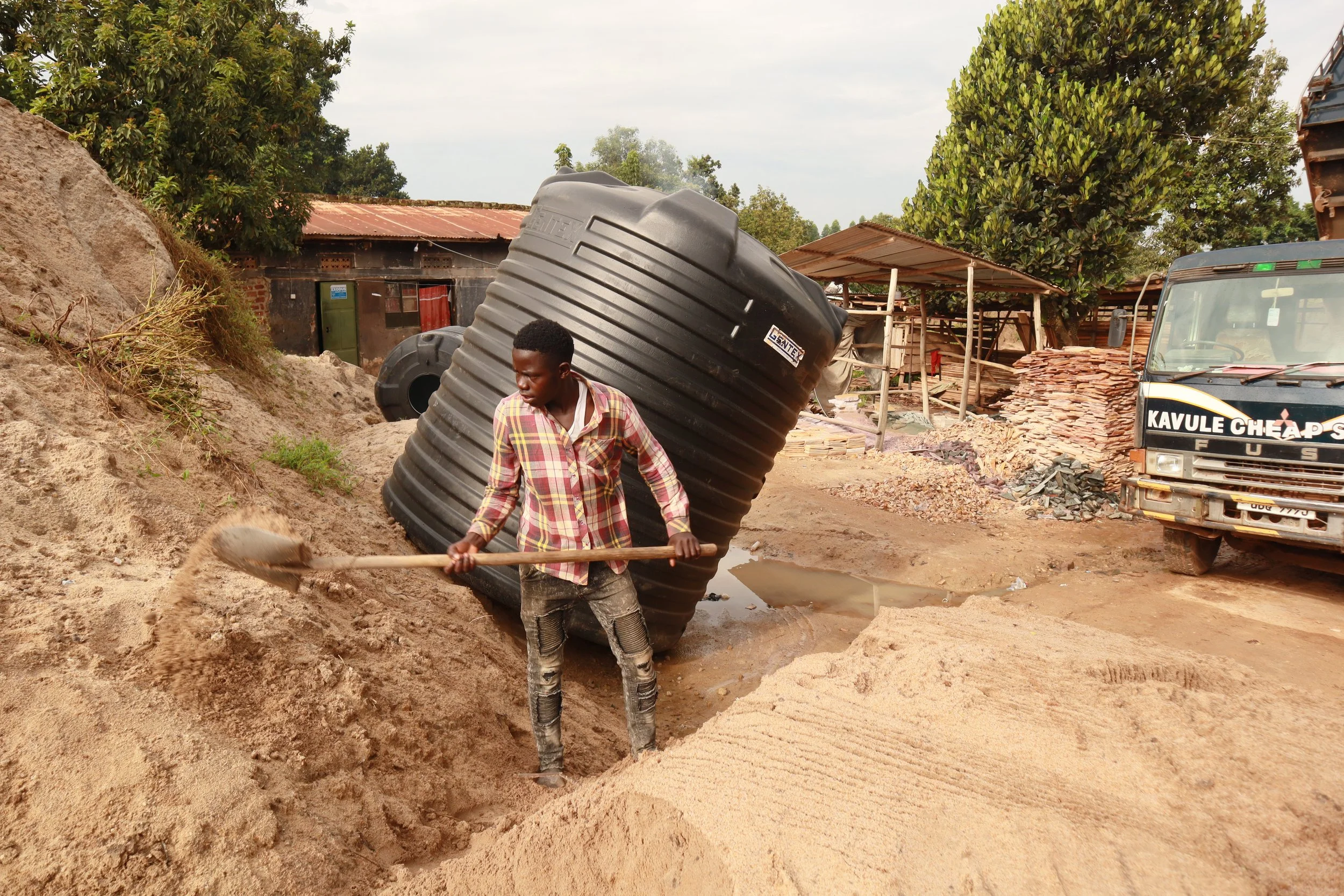
The termination of USAID governance programs has hollowed out civic education networks that once reached rural and first-time voters. The move threatens public trust and could “undermine the U.S.’s strategic interest in the region,” experts tell Devex.
Photo Credit: Nakisanze Segawa

As U.S.-funded initiatives disappear, this peace-building organization says they’re “operating blind” in one of Nigeria’s most fragile regions.

A USAID-backed moringa project in Uganda offered rural farmers modest payments and a rare path toward stability. Then the funding stopped for good.
Photo Credit: Nakizanze Segawa

An El Niño drought and aid cuts have left millions in Zimbabwe hungry. Mary’s Meals International is keeping 179,000 children in school with daily meals — even as USAID pulls $83 million in funding.