

‘Nobody wants to take responsibility for the tragedy that’s going on here’ ↳
Bill Gates tells Politico that projected increases in child mortality are closely tied to recent foreign aid cuts by the U.S. and other wealthy countries, following decades of steady progress. While the Trump administration disputes the link, Gates argues the scale and speed of the cuts have had deadly consequences.
The painful, seismic shift in humanitarian aid—and what’s next [Carnegie Endowment for International Peace] ↳
The Carnegie Endowment for International Peace reports that the abrupt reduction in U.S. humanitarian aid has left major gaps in global emergency response systems and strained the ability of the United Nations and partner organizations to meet rising humanitarian needs. The funding shock presents both a crisis and a potential inflection point for reforming the international humanitarian system.
Youth & vulnerable groups are losing critical prevention systems
Kenya’s DREAMS program — which kept 66,000 girls HIV-free over three years — shut down. In South Africa, U.S.-funded drop-in centers for key populations closed, cutting off PrEP, harm-reduction, methadone programs, and HIV commodities.
Source: Physicians for Human Rights, Ritshidze
Rape survivors have lost access to HIV prevention
Health facilities in DRC and Ethiopia ran out of PEP kits, a short-term emergency treatment that must be started within 72 hours of a potential exposure. This leaves survivors of sexual violence without the emergency medication needed to prevent HIV infection.
Source: Physicians for Human Rights
HIV infections in babies are rising
Clinicians in Kenya report the return of new HIV infections in newborns — something virtually eliminated under U.S.-supported maternal prevention. In Uganda, one clinic saw 25% of HIV-positive pregnant women give birth to HIV-infected infants after ARV stockouts and rationing.
Source: Physicians for Human Rights
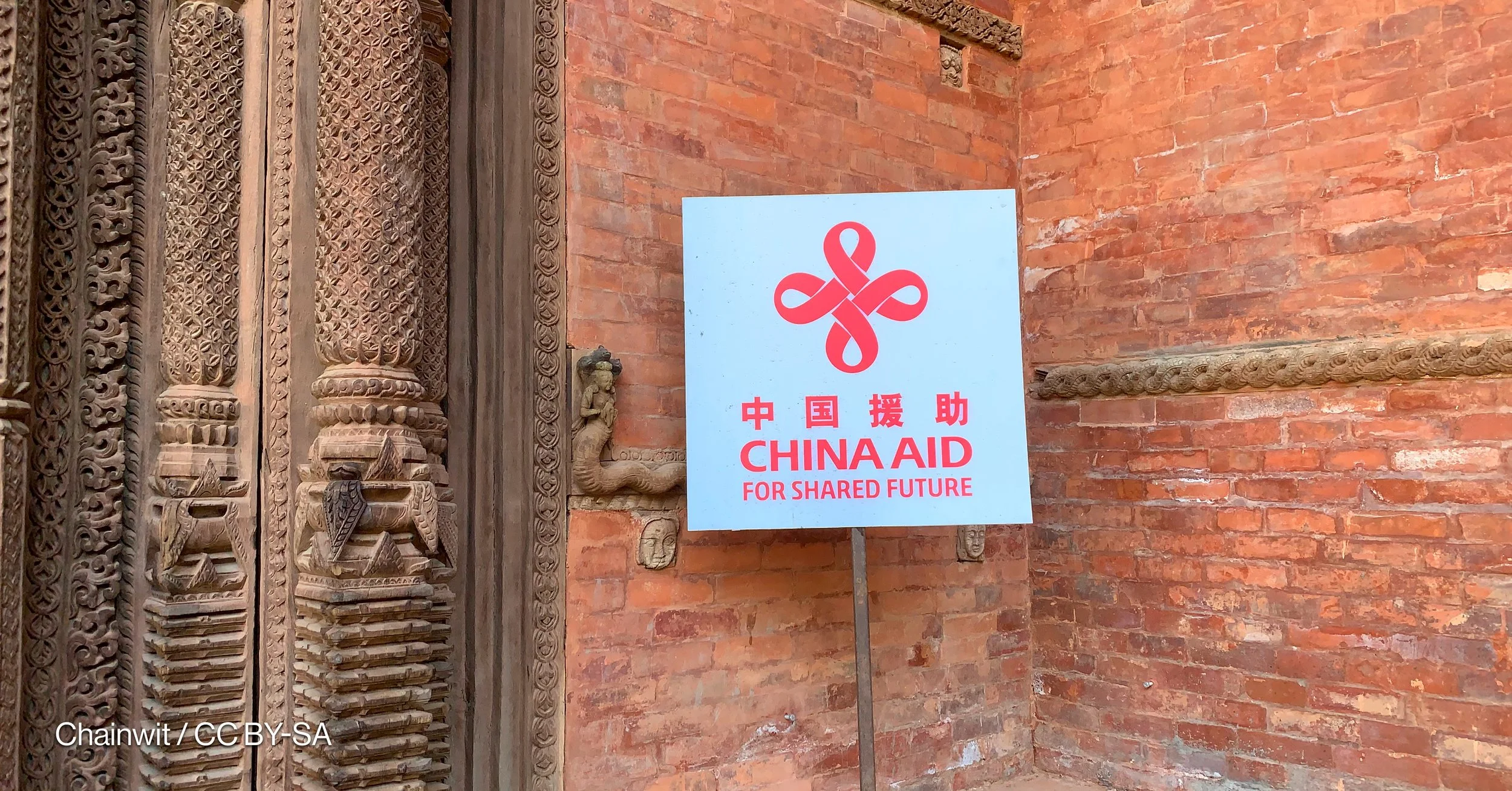
After USAID exit, China hasn't moved to fill Asia’s funding gap
Despite expectations that Beijing would expand its influence after USAID’s withdrawal, China has shown little interest in taking over U.S.-funded programs, leaving a development divide across Southeast and South Asia.
Photo Credit: Chainwit / CC BY-SA
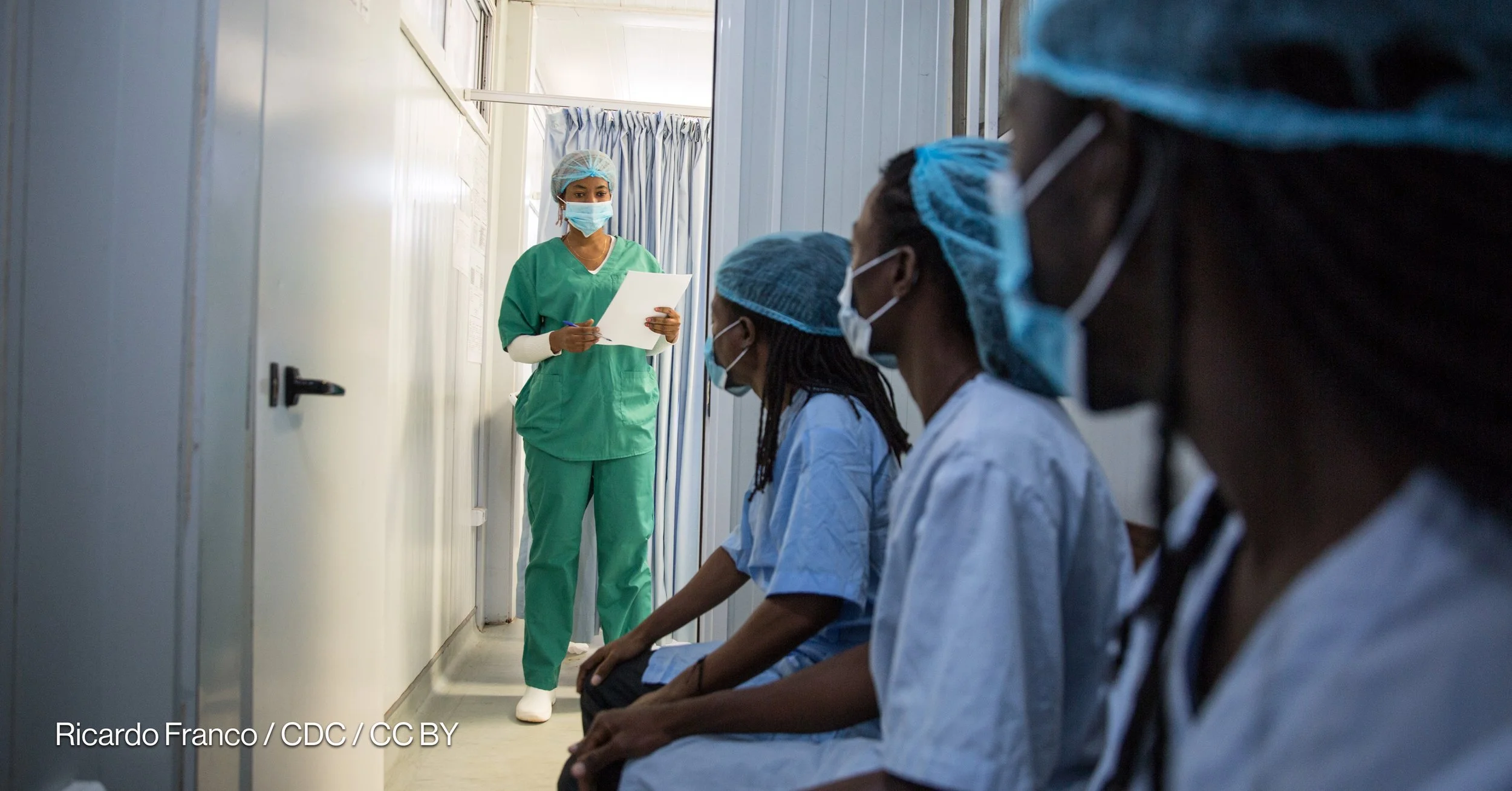
US retreat stalls Botswana’s HIV prevention outreach
A simple, one-time procedure that sharply lowers HIV risk has long been a quiet success story in Botswana — until U.S. funding cuts halted the community outreach behind it.
Photo Credit: Ricardo Franco / CDC / CC BY
Uganda halts refugee status for Eritreans, Somalis, and Ethiopians amid funding strain ↳
Facing severe funding shortages following U.S. aid cuts, Uganda has stopped granting asylum to new arrivals from Eritrea, Somalia, and Ethiopia, The Guardian reports. The shift leaves thousands in legal limbo, heightens protection risks, and signals how quickly global displacement systems can unravel when donors pull back.
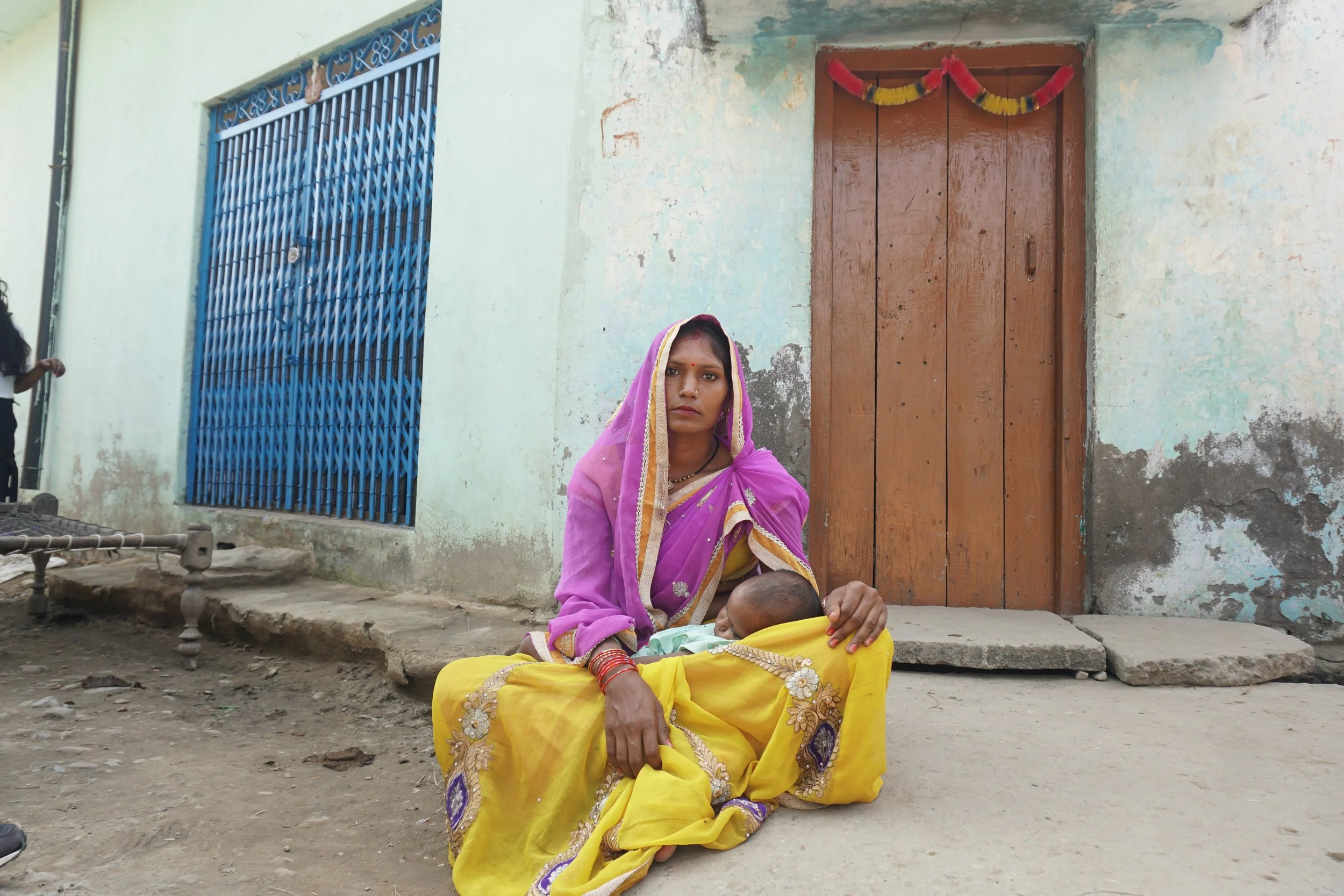
A decade of nutrition gains at risk as US-funded systems vanish in Nepal
The USAID-backed nutrition system that once reached some of Nepal’s most vulnerable districts has collapsed, halting screening and straining health posts already short on staff and supplies.
Photo Credit: Sunita Neupane
US aid cuts shrink Uganda’s civic space ahead of 2026 elections
The termination of USAID governance programs has hollowed out civic education networks that once reached rural and first-time voters. The move threatens public trust and could “undermine the U.S.’s strategic interest in the region,” experts tell Devex.
Photo Credit: Nakisanze Segawa
The end of ending AIDS: Malawi’s hard-won progress unravels as U.S. programs shut down ↳
Foreign Policy details how the termination of U.S.-supported HIV programs in Malawi — including testing, treatment literacy, and community adherence networks — has left clinics overwhelmed and patients without care.
Aid cuts have shaken HIV/AIDS care to its core — with millions more infections projected ↳
The Guardian reports that U.S. funding cuts have shuttered HIV clinics, disrupted PrEP and ART supply chains, and ended community-led outreach across multiple countries. Health workers warn that prevention gains made over two decades are collapsing, with global agencies now projecting a surge in new infections and treatment interruptions that could undo years of progress toward epidemic control.
‘Efficiency’ policies fuel massive food waste amid rising hunger in the U.S. ↳
Cuts to food assistance and the freeze of key U.S. agricultural programs have exacerbated hunger while driving large-scale food waste, The Conversation reports. With fewer resources for distribution networks and labor shortages across the supply chain, farmers are leaving crops unharvested and food is spoiling in storage.
An ISIS-linked insurgency gains ground as U.S. support disappears in northern Mozambique ↳
The halt of U.S.-supported livelihood, governance, and stabilization programs in Cabo Delgado has widened the vacuum exploited by ISIS-aligned militants, CNN reports. As community development projects, youth employment initiatives, and local conflict-mitigation efforts collapse, insurgents are expanding recruitment and territory — a reversal that underscores how aid cuts can destabilize fragile regions and raise long-term security costs.
Trump cut Nigeria’s aid back in March. Now he wonders why it’s so violent [LA Times] ↳
U.S. cuts to early-warning, stabilization, and police-accountability programs have eroded Nigeria’s ability to prevent violence — unrest now cited to justify harsher security measures, an LA Times contributor writes.
Study: USAID shutdown created permanent cracks in global humanitarian system [GW] ↳
The analysis concludes that the shutdown weakened coordination structures, reduced partner capacity, and led to significant staff losses. Researchers argue that humanitarian systems cannot be paused without lasting damage—and that rebuilding them requires more resources than maintaining them.
US and European aid cuts could result in 22.6 million deaths worldwide, study finds [Reuters] ↳
New modeling suggests that simultaneous U.S. and European aid drawdowns would erase decades of gains against infectious disease. The findings point to a geopolitical vacuum, with no major donor prepared to offset the scale of withdrawn support.
Study: U.S. funding cuts could result in nearly 9 million child tuberculosis cases, 1.5 million child deaths [Harvard] ↳
The research warns that reductions in U.S. TB funding could trigger major spikes in pediatric infections. The projections underscore how cuts undermine global outbreak control and shift long-term treatment costs back onto lower-income countries.
A stock of U.S.-bought birth control, meant for sub-Saharan Africa, goes bad in Belgium [NPR] ↳
Expired contraceptives show how abruptly pausing U.S. funds can freeze global supply chains midstream. Beyond wasted commodities, the stall drives up procurement costs and disrupts access to family planning programs that depend on predictable U.S. financing, NPR reports.
Three countries boost family planning funding in ‘powerful shift from dependency’ in Africa after aid cuts [The Guardian] ↳
New domestic spending in Kenya, Rwanda, and Ethiopia signals resilience, but the move also exposes how heavily the region relied on U.S. support, reports The Guardian. Governments are now filling emergency gaps rather than following planned transition timelines, raising questions about sustainability and equity.